


Asset protection involves legal strategies that shield personal and business assets from creditor claims, lawsuits, and financial judgments. In today’s litigious society, individuals and businesses face unprecedented liability exposure from professional malpractice claims, contractual disputes, and personal injury lawsuits. According to the Canadian Centre for Justice Statistics, civil litigation filings have increased significantly over the past decade, with professional liability judgments regularly exceeding $1 million in major Canadian courts.
Asset protection constitutes legal planning that insulates wealth from creditor claims through trusts, limited liability companies, partnerships, and insurance policies that create barriers between assets and potential claimants. As recognized under Canadian common law and civil law principles, asset protection represents the lawful arrangement of one’s affairs to minimize exposure to claims of creditors while maintaining control and beneficial enjoyment of assets.
These strategies operate within federal and provincial legal frameworks, distinguishing legitimate protection from fraudulent transfers designed to hinder, delay, or defraud creditors. The federal Bankruptcy and Insolvency Act (BIA) and provincial legislation such as Ontario’s Fraudulent Conveyances Act govern the boundaries of lawful planning. Registered retirement savings plans (RRSPs), Registered Retirement Income Funds (RRIFs), and certain employer pension plans receive protection under provincial legislation, while provincial laws govern homestead-equivalent exemptions, trust protections, and limited liability entity shields. Working with an experienced Canadian attorney or financial advisor ensures proper implementation of asset protection strategies based on individual circumstances.
Asset protection types include entity-based shields, trust structures, insurance coverage, legal exemptions, and contractual arrangements.
Entity-based protection employs corporations, limited partnerships, and limited liability partnerships to separate business operations from personal wealth. In Canada, the most common vehicle is the provincially or federally incorporated company, as most provinces do not offer the same LLC structure familiar to American investors. Alberta and British Columbia are notable exceptions, offering limited partnerships that function similarly. A limited partnership provides additional protection, with limited partners shielded from business liabilities held by the partnership.
Trust-based strategies encompass inter vivos trusts, family trusts, alter ego trusts, joint partner trusts, and Henson trusts that remove assets from direct ownership while preserving beneficial interests. Spendthrift-style provisions can prohibit creditor attachment of beneficiary interests, though exceptions exist for child support and government obligations under Canadian law. Beneficiaries receive distributions based on the trustee’s discretion, which can provide an additional degree of protection.
Insurance-based protection transfers risk through liability policies, umbrella coverage, professional liability insurance, and specialized policies covering specific exposures. These services transfer the ability to satisfy judgments from individuals to insurance companies, a particularly important safeguard given the rising cost of professional liability claims across Canada.
Statutory exemptions shield certain asset categories — RRSPs and RRIFs receive creditor protection under provincial legislation in most provinces (with Ontario’s Execution Act and similar statutes across the country), life insurance cash values, and annuities receive varying degrees of protection depending on jurisdiction. The rules differ meaningfully between provinces such as Ontario, British Columbia, Alberta, and Quebec, making professional guidance essential. Homestead-equivalent exemptions protect a portion of primary residence equity from creditor claims, with amounts varying significantly by province.
Contractual protection includes marriage contracts (the Canadian equivalent of prenuptial agreements), cohabitation agreements, and shareholders’ agreements that define property rights and limit exposure in separation, divorce, or business dissolution scenarios. These agreements ensure that one spouse’s separate property remains protected from claims arising from the other spouse’s liabilities under applicable provincial family law.
Asset protection creates legal separation between asset ownership and beneficial enjoyment while establishing creditor barriers through entity structures, trusts, insurance contracts, and statutory exemptions.
The fundamental mechanism involves transferring legal title to protective entities — trusts, corporations, or limited partnerships — while retaining beneficial use within legal parameters. When properly structured, creditors seeking to satisfy judgments encounter legal obstacles preventing direct seizure. For limited liability entities in Canada, remedies available to creditors are constrained by the structure of the entity and the governing provincial or federal legislation.
Trust-based protection removes assets from the settlor’s estate, placing them beyond creditor reach if established before claims arise. The process requires careful planning and proper execution of legal documents in accordance with provincial trust law. Insurance-based protection transfers liability to insurers through contractual indemnification — when claims arise, the insurance company defends and pays judgments up to policy limits.
Effective asset protection requires understanding fraudulent transfer laws — transfers made with intent to hinder creditors can be voided under the federal Bankruptcy and Insolvency Act, the Fraudulent Conveyances Act (Ontario and other provinces), or equivalent provincial legislation. Courts examine transfer timing, consideration received, debtor solvency, and transferor retention of benefits. Taking these steps prior to any liability arising ensures legally sound protection.
Benefits include liability insulation, wealth preservation, lawsuit deterrence, privacy enhancement, estate planning integration, and financial security. Individuals with comprehensive protection plans are significantly better positioned to retain wealth following adverse judgments compared to those without planning.
For high-risk professionals — physicians, lawyers, corporate executives, real estate investors — protection strategies provide essential safeguards. The Canadian Medical Protective Association (CMPA) reports that Canadian physicians face a meaningful and growing risk of medical-legal action, particularly in high-risk specialties such as obstetrics, orthopaedic surgery, and emergency medicine. Without proper planning, professionals can be held personally liable for judgments exceeding their insurance coverage.
Lawsuit deterrence represents a significant benefit — creditors facing substantial obstacles may accept reduced settlements rather than pursue expensive litigation through the Canadian court system. Estate planning integration allows asset protection trusts to serve dual purposes — shielding assets during life while providing inheritance planning advantages for beneficiaries, particularly when coordinated with the principal residence exemption and other Canadian tax planning tools.
Professional advice from qualified Canadian advisors helps ensure that protection planning services are tailored to specific circumstances and comply with all federal and provincial legal requirements. The ability to shield assets legally depends on proper timing and implementation.
Disadvantages include implementation costs, loss of control, reduced flexibility, administrative burdens, legal complexity, and potential tax implications. Establishing comprehensive protection requires significant upfront investment — inter vivos trusts typically cost $3,000–$10,000 or more to establish properly, corporate structures range from $1,500–$5,000 per entity, and more complex offshore or multi-jurisdictional arrangements can exceed $20,000–$50,000.
Control limitations affect trust-based strategies — irrevocable trusts prohibit settlor amendment or revocation, and properly structured trusts require an independent trustee with discretionary distribution authority to withstand creditor challenge. Tax implications are significant in Canada — family trusts are subject to the 21-year deemed disposition rule under the Income Tax Act, meaning accrued capital gains are recognized every 21 years if not distributed. Foreign trusts require disclosure to the Canada Revenue Agency (CRA) under forms T1141 and T1142, with substantial penalties for non-compliance.
Fraudulent transfer risk represents a significant disadvantage — transfers made after liabilities arise or too close in time to a claim face voidance under the BIA and provincial fraudulent conveyance legislation. Courts apply look-back periods that vary by province and by the nature of the claim. Assets transferred with fraudulent intent can be recovered by creditors.
Individuals needing asset protection include high-risk professionals, business owners, real estate investors, high net worth individuals, licensed professionals, and anyone with substantial assets or liability exposure.
Medical professionals face significant medico-legal exposure in Canada. The Canadian Medical Protective Association provides liability coverage to most Canadian physicians, but coverage limits and personal exposure vary. High-risk specialties including obstetrics, neurosurgery, and orthopaedic surgery carry the greatest claim probability. These professionals may be held liable for damages, making personal asset protection an important complement to their CMPA coverage.
Business owners require protection separating personal wealth from enterprise liabilities — contractual disputes, shareholder disagreements, employee claims, and customer lawsuits can threaten personal assets when business structures lack proper implementation. A properly incorporated company or limited partnership can ensure personal assets remain protected from business creditors.
Real estate investors across Canada face premises liability, tenant lawsuits under provincial landlord and tenant legislation, environmental claims, and contractual disputes. Holding investment properties through separate corporations or limited partnerships isolates liability — a lawsuit concerning one property cannot reach equity in others held through different entities.
High net worth individuals with substantial liquid assets, investment portfolios, business interests, or valuable property require comprehensive planning regardless of profession. Canadians with net worth exceeding $1–2 million generally warrant professional asset protection consultation. Married couples and common-law partners should view protection planning as essential, ensuring both partners understand the strategies in place.
Consider asset protection before liabilities arise, when starting businesses, acquiring valuable assets, experiencing income growth, approaching retirement, or anticipating major life changes to maximize protection effectiveness and avoid fraudulent transfer scrutiny.
Optimal timing occurs before claims, lawsuits, or liabilities emerge — transfers made after problems arise face fraudulent conveyance scrutiny under Canadian federal and provincial law. The longer the period between a protective transfer and a creditor claim, the stronger the legal position. Waiting too long dramatically reduces the ability to protect assets legally and may result in transfers being unwound by the courts.
Business formation represents an ideal planning moment — establishing proper corporate structures, shareholders’ agreements, and insurance coverage before operations commence provides maximum protection. Incorporating or establishing a limited partnership before beginning business operations ensures maximum protection from day one.
Real estate acquisition triggers planning needs — purchasing investment properties creates premises liability, tenant disputes, and environmental exposure. Taking steps to establish protective structures before transferring property into them ensures clean title and proper documentation under provincial property law.
Asset protection can be established through Canadian federal or provincial structures, select offshore jurisdictions, or through registered plan protections and insurance contracts based on specific needs and circumstances.
Within Canada, several provinces offer more favourable trust and corporate legislation. British Columbia, Alberta, and Manitoba are frequently cited for their relatively creditor-protective corporate and trust environments. Prince Edward Island and certain other provinces have enacted legislation enabling self-settled trust arrangements with meaningful creditor protection. Quebec, operating under civil law, has its own distinct framework under the Civil Code of Québec that must be considered separately.
Federally incorporated companies provide nationwide recognition and creditor-separation benefits for business owners operating across multiple provinces. Registered plans including RRSPs, RRIFs, LIRAs, and group pension plans receive creditor protection under most provincial exemption statutes and, in the case of insurance-based registered products, under provincial insurance legislation — often providing robust protection regardless of the size of the plan.
Offshore jurisdictions including the Cook Islands, Nevis, and the Bahamas offer strong asset protection trust legislation for Canadians with significant wealth who require additional layers of protection. These structures require careful compliance with CRA reporting obligations, including foreign trust disclosure forms, and should only be pursued with qualified Canadian legal and tax counsel.
Corporations and limited partnerships provide effective protection for business operations, real estate holdings, and investment activities. In most Canadian provinces, creditors of a limited partner are limited to that partner’s economic interest, not management rights — providing a meaningful barrier in a dispute.
Insurance planning employs layered coverage starting with adequate base liability policies, supplemented by personal umbrella liability coverage. Canadian insurers offer umbrella policies that can provide $1–5 million in additional protection at a relatively modest annual premium. These services ensure comprehensive protection across multiple liability scenarios.
Exemption maximization involves structuring assets to receive maximum statutory protection — maximizing RRSP and TFSA contributions, funding insurance-based registered products in provinces where policies receive creditor protection, and considering the use of life insurance exempt policies and segregated funds, which carry unique creditor-protection features under Canadian insurance law. Segregated funds — the Canadian insurance equivalent of mutual funds — provide creditor protection when a qualifying beneficiary designation is in place, making them a particularly valuable tool for Canadian investors.
Marriage contracts and cohabitation agreements protect premarital assets and inheritances under provincial family law. In provinces such as Ontario (under the Family Law Act) and British Columbia (under the Family Law Act, 2011), properly drafted agreements with full financial disclosure, independent legal advice, and adequate time for review provide strong protection for separate property. These agreements ensure that property held before the relationship or received through inheritance remains separate from family property subject to equalization or division.
Family trusts and holding companies are among the most widely used strategies for Canadian business owners and high-net-worth families, offering both creditor protection and income-splitting opportunities within the rules of the Income Tax Act. Assets held through a holding company or family trust can be insulated from operating company creditors while also facilitating intergenerational wealth transfer.
Legal requirements include proper entity formation and maintenance, adequate consideration for transfers, solvency maintenance, timing before liabilities arise, compliance with fraudulent transfer laws, and accurate tax reporting to the Canada Revenue Agency.
Entity formation in Canada requires filing articles of incorporation with the applicable federal (Corporations Canada) or provincial authority, paying required fees, appointing a registered agent or address for service, and adopting governing documents such as by-laws and shareholders’ agreements. Maintaining corporate formalities prevents piercing of the corporate veil — separate bank accounts, accurate minute books and recordkeeping, arms-length transactions, adequate capitalization, and avoidance of commingling personal and corporate assets are all essential under Canadian corporate law.
Tax compliance mandates accurate reporting of all structures to the CRA — T2 corporate returns, T3 trust returns, T5013 partnership information returns, and foreign disclosure forms (T1141, T1142) for offshore arrangements. Penalties for non-compliance with foreign reporting obligations can be severe. Seeking professional advice ensures compliance with all CRA reporting requirements based on the specific structures implemented.
Protection planning services should include ongoing review to ensure strategies remain effective as circumstances change, tax law evolves, and personal situations shift. An experienced Canadian lawyer and financial advisor working together can view your entire financial picture and ensure all steps are taken to maintain legally sound, CRA-compliant protection.
At IBC Financial, our wealth management team works with clients to implement comprehensive asset protection planning strategies tailored to individual risk profiles and financial objectives. Our services include helping clients set up appropriate structures, transferring assets properly, and ensuring beneficiaries are protected through proper estate planning integration. Contact IBC Financial today for a comprehensive asset protection assessment and customized implementation plan based on your unique circumstances and liability exposure.
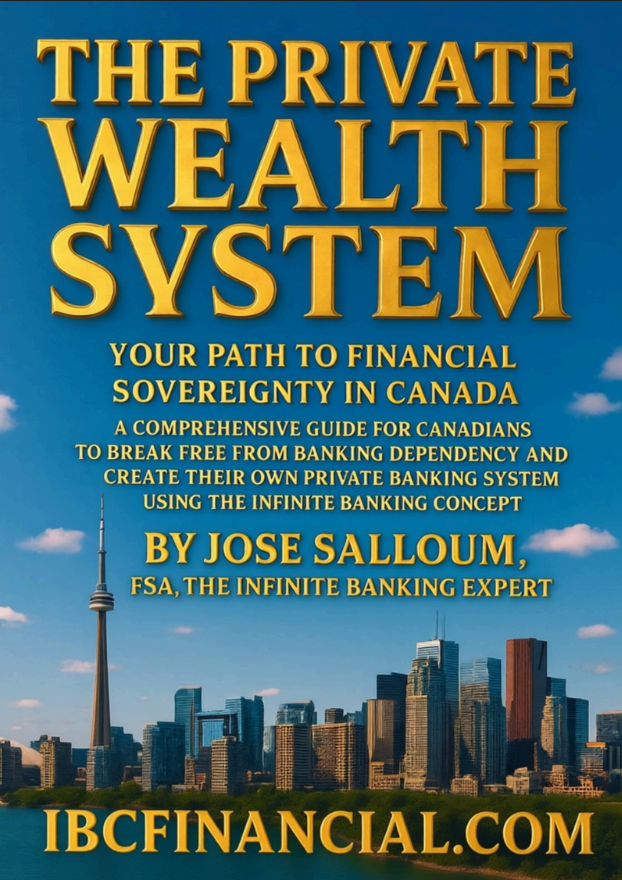
Take the First Step to Financial Freedom!
We use cookies for analytics & functionality. Manage preferences.
Manage your cookie preferences below:
Essential cookies enable basic functions and are necessary for the proper function of the website.
Google reCAPTCHA helps protect websites from spam and abuse by verifying user interactions through challenges.
Statistics cookies collect information anonymously. This information helps us understand how visitors use our website.
Google Analytics is a powerful tool that tracks and analyzes website traffic for informed marketing decisions.
Service URL: policies.google.com (opens in a new window)
Marketing cookies are used to follow visitors to websites. The intention is to show ads that are relevant and engaging to the individual user.
Google Maps is a web mapping service providing satellite imagery, real-time navigation, and location-based information.
Service URL: policies.google.com (opens in a new window)
You can find more information in our Cookie Policy and Privacy Policy.