

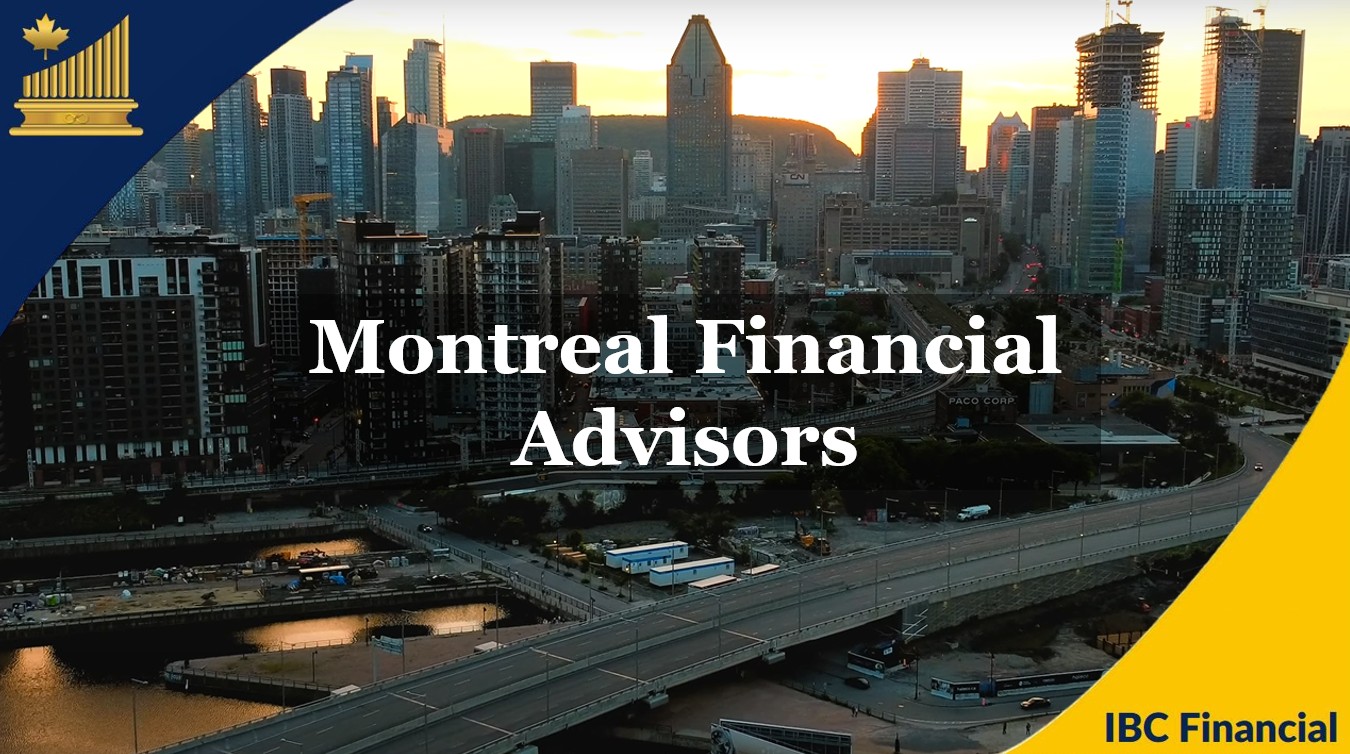
The financial advisors in Montreal are regulated by the Autorité des marchés financiers (AMF) and includes professionals such as Certified Financial Planners (CFP), Wealth Advisors, and Financial Security Advisors. The demand is growing for expert financial advice across various life stages. Whether you are a business owner looking to optimize tax strategy, an individual planning for major purchases, or someone seeking a solid retirement plan, finding the right financial advisor is a laborious responsibility that requires careful research.
This guide explores financial planning, tax strategies, estate planning, investment decisions, and financial strategies to help you select the best Canadian advisor for your financial future.
A Financial Advisor in Montreal assesses financial situations, recommends disciplined investment strategies, and helps clients build wealth through diversified investment portfolios. According to Gail Vaz-Oxlade, financial advisors support clients with.
According to Kim Parlee of TD Wealth, a strong financial plan combines investment knowledge with personalized financial strategies that address complex situations such as U.S.-sourced income or cross-border financial advisors for Canada- and U.S.-based clients.
Montreal (French: Montréal) is the largest city in the province of Quebec, the second-largest in Canada, and the eighth-largest in North America. Founded in 1642 as Ville-Marie, or “City of Mary”, it now takes its name from Mount Royal, the triple-peaked mountain around which the early settlement was built. The city is centred on the Island of Montreal and a few, much smaller, peripheral islands, the largest of which is Île Bizard. It lies 196 km (122 mi) east of the national capital, Ottawa, and 258 km (160 mi) southwest of the provincial capital, Quebec City. As of the 2021 Canadian census the city had a population of 1,762,949, and a metropolitan population of 4,291,732, making it the second-largest metropolitan area in Canada. French is the city’s official language. In 2021, 85.7% of the population of the city of Montreal considered themselves fluent in French while 90.2% could speak it in the metropolitan area. Montreal is one of the most bilingual cities in Quebec and Canada, with 58.5% of the population able to speak both French and English. Montreal is the largest primarily French speaking city in the Americas. Historically the commercial capital of Canada, Montreal was surpassed in population and economic strength by Toronto in the 1970s. It remains an important centre of art, culture, literature, film and television, music, commerce, aerospace, transport, finance, pharmaceuticals, technology, design, education, tourism, food, fashion, video game development, and world affairs. Montreal is the location of the headquarters of the International Civil Aviation Organization, and was named a UNESCO City of Design in 2006. In 2017, Montreal was ranked the 12th-most livable city in the world by the Economist Intelligence Unit in its annual Global Liveability Ranking, although its ranking slipped to 40th in the 2021 index, primarily due to stress on the healthcare system from the COVID-19 pandemic. It is regularly ranked as one of the ten best cities in the world to be a university student in the QS World University Rankings. In 2018, Montreal was ranked as a global city. Montreal has hosted numerous important international events, including the 1967 International and Universal Exposition, and is the only Canadian city to have hosted the Summer Olympics, having done so in 1976. The city hosts the Canadian Grand Prix of Formula One; the Montreal International Jazz Festival, the largest jazz festival in the world; the Just for Laughs festival, the largest comedy festival in the world; and Les Francos de Montréal, the largest French-language music festival in the world. In sports, it is home to multiple professional teams, most notably the Canadiens of the National Hockey League, who have won the Stanley Cup a record 24 times.
How much financial advisors charge in Montreal is determined by the credentials of the advisor, services they provide, and their fee structure.
Some financial advisors charge by the hour, ranging from $150 to $400 per hour. This is usually a good option for those who need only a one-time consultation or specific guidance on a particular financial issue.
This includes comprehensive financial planning services at flat fees of some advisors. They can run upwards of $1,000 to $5,000, sometimes more, depending on your complexity.
Most advisory firms base fees on the customer’s assets held with them, ranging from a minimum of 0.5% to maximum of 1.5%, annually, for different dollar asset values and number of services given. For extremely large portfolios, the percentage, therefore, often goes down–which would especially appeal to highly net-worth individuals.
Some advisors generate income by earning commissions on financial products sold, such as mutual funds or insurance policies. This model is less transparent, but has potentially lower upfront costs.
Selecting a Financial Advisor in Montreal requires evaluating qualifications, investment strategy, and client experience. The most critical factors include:
There are two main types of Financial Advisors in Montreal:
According to a 5-Star Advisors report, over 75% of investors prefer fee-based advisors due to their transparent financial decisions. 5-Star Advisor Gene Kim suggests that investors look for an advisor who specializes in disciplined investment strategy and identifying key opportunities aligned with their financial goals.
Financial Consultants in Montreal help retirement planning by structuring wealth management tools such as Insurance Policies, Efficient Tax Strategy, Succession Planning, Registered Retirement Savings Plans (RRSPs) and Tax-Free Savings Accounts (TFSAs), and to maximize long-term financial stability. An IBC Financial Advisor helps clients:
All financial advisors must be licensed by the Autorité des marchés financiers (AMF) and comply with regulations from the Chambre de la sécurité financière (CSF), and, if dealing in securities, the Canadian Investment Regulatory Organization (CIRO). Requirements include:
Working with an unlicensed financial advisor exposes investors to fraud, mismanagement, and regulatory non-compliance. According to an AMF report, over $50 million in investor losses were attributed to unregulated financial advisors in 2023. BGY Services suggests consulting a financial advisor matching database to ensure legitimacy.
A Montreal Financial Advisor provide to Canada based clients, offering services such as:

Take the First Step to Financial Freedom!
We use cookies for analytics & functionality. Manage preferences.
Manage your cookie preferences below:
Essential cookies enable basic functions and are necessary for the proper function of the website.
Google reCAPTCHA helps protect websites from spam and abuse by verifying user interactions through challenges.
Statistics cookies collect information anonymously. This information helps us understand how visitors use our website.
Google Analytics is a powerful tool that tracks and analyzes website traffic for informed marketing decisions.
Service URL: policies.google.com (opens in a new window)
Marketing cookies are used to follow visitors to websites. The intention is to show ads that are relevant and engaging to the individual user.
Google Maps is a web mapping service providing satellite imagery, real-time navigation, and location-based information.
Service URL: policies.google.com (opens in a new window)
You can find more information in our Cookie Policy and Privacy Policy.