
Glossary of Canadian Life Insurance Terms
This glossary defines the technical terms used across this site. Each entry states what the term means, where it appears in a contract or on an illustration, and which terms it is commonly confused with.
Infinite Banking
The Infinite Banking Concept® is a strategy that uses a specially designed participating whole life insurance contract as a place to hold and access capital, so the policyowner controls the financing of their own purchases rather than routing every dollar through an outside lender.
The Infinite Banking Concept® in Canada
Mostly a way of thinking about who finances your life, and only partly a contract. What it is for, what it requires, and who it does not suit.
Read more
Capital Held Within a Family
What practitioners call a private family bank: how capital is held and lent within a family, where it fails, and what the vocabulary overstates.
Read more
Claims That Should Never Be Made About This Approach
Ten claims commonly made about this approach that are inaccurate, each with the technically correct version, so a reader can tell a description from a pitch.
Read more
How a Household Finances Its Own Life, Step by Step
Infinite banking in practice: where the capital sits, how it is drawn, how it is put back, and what the method asks of a Canadian household.
Read more
Life Insurance Is Not an Investment
Why participating whole life is an insurance product rather than an investment, why people describe it as one anyway, and what the distinction protects.
Read moreWhole Life Insurance
Participating whole life insurance is permanent coverage combining a guaranteed death benefit with a guaranteed cash value, and it may receive dividends declared annually at the discretion of the insurer's board based on the performance of the participating account.
Whole Life Insurance in Canada
The permanent insurance landscape in Canada: participating whole life, non-participating, universal life, term, and how they compare with one another.
Read more
Life Annuities
What a life annuity is, the main types, how Canadian taxation differs between prescribed and accrual treatment, and what is irreversible about it.
Read more
Participating Life Insurance
What participating life insurance is, how the participating account works, how dividends are declared and used, what it costs, and who it does not suit.
Read more
Term Insurance
What term insurance is, the four common types, how underwriting works, what drives the premium, how much coverage to hold, and when term is the right answer.
Read morePolicy Basics
A participating policy accumulates a contractually guaranteed cash value, while any declared dividends may buy additional paid-up coverage, and the owner may request a policy loan from the insurer against that value under the terms of the contract.
How a Participating Policy Works, Year by Year
What happens inside a Canadian participating whole life contract: where the premium goes, how cash value accumulates, and how dividends are declared and taxed.
Read more
Cash Surrender Value
What cash surrender value is, how it differs from cash value, what surrender charges do, how a surrender is taxed, and what to weigh before ending a contract.
Read more
Contingent Beneficiary
What a contingent beneficiary is, when the designation takes effect, how it differs from a primary designation, and the errors that send proceeds to an estate.
Read more
Dividend-Paying Life Insurance
What a life insurance dividend actually is, how the insurer determines it, the five ways it can be used, why it is not a return, and why it is never guaranteed.
Read more
How Many Life Insurance Policies Can You Have?
There is no legal limit on how many life insurance policies you can own in Canada. What limits you is financial underwriting, and how insurers assess coverage.
Read more
Insurance Premium
What a premium actually buys, the components inside it, what drives the price, payment modes and what they cost, and what happens when a payment is missed.
Read more
Is Life Insurance Taxable in Canada?
How life insurance is taxed in Canada: the death benefit, premiums, policy loans, dividends, ownership transfers, corporate ownership and how Quebec differs.
Read more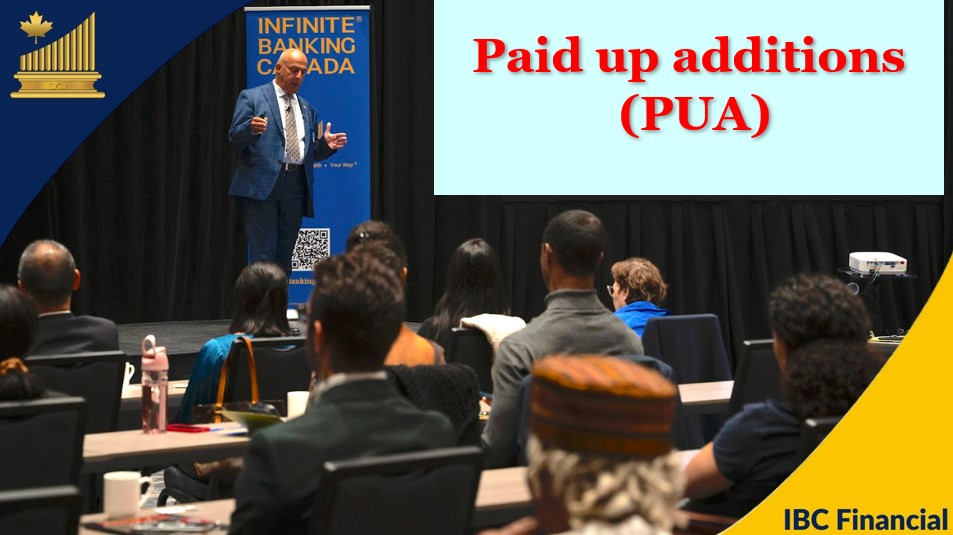
Paid-Up Additions
What paid-up additions are, how a PUA rider works, what they do to cash value and death benefit, what they cost, and where they stop being useful.
Read more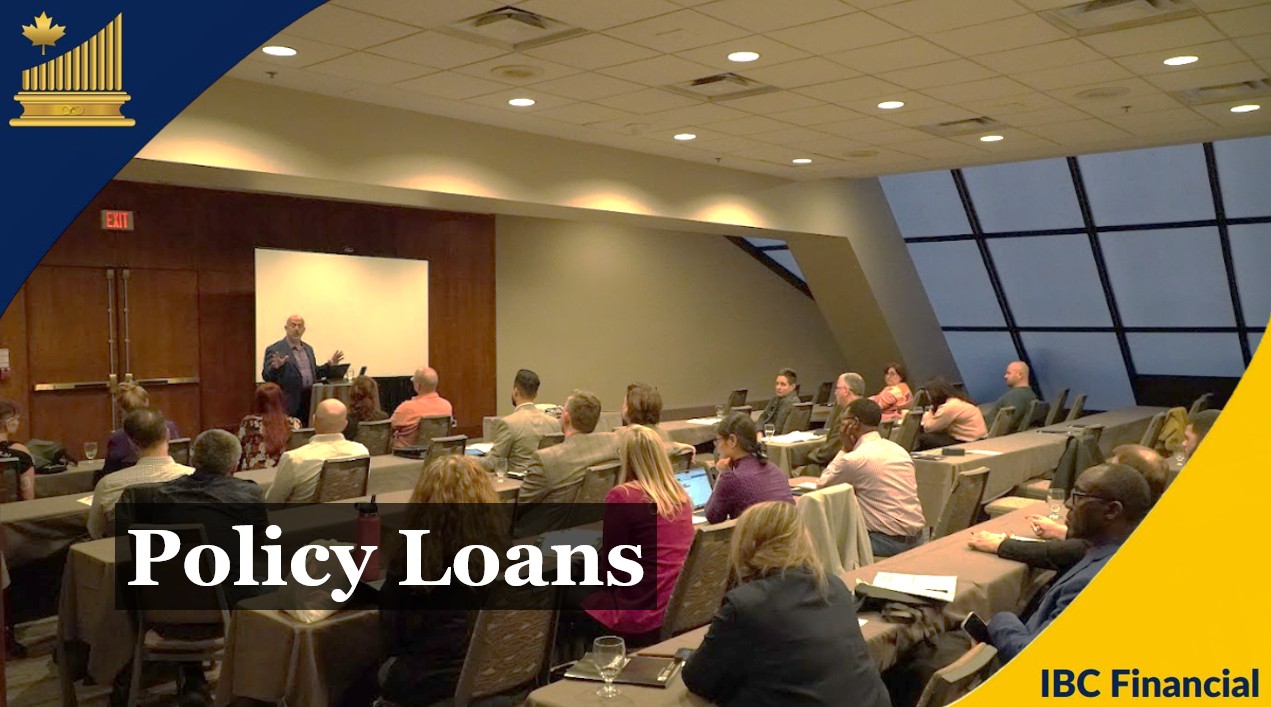
Policy Loans in Canada
A policy loan is an advance from the insurer secured against the cash value. How the amount is set, how interest accrues, and how it is taxed in Canada.
Read more
Tax-Deferred Growth
What tax deferral actually is, where it exists in Canada, the difference between deferred, exempt and tax-free, and why deferral is not forgiveness.
Read more
Waiver of Premium Rider
What a waiver of premium rider does, how the definition of disability decides whether it ever pays, the waiting period, exclusions, cost and who it suits.
Read more
What Is a Policyholder?
Who owns a life insurance contract, how the owner differs from the insured and the beneficiary, and why the distinction matters at the time of a claim.
Read moreRetirement Planning
Permanent life insurance can sit alongside registered accounts in a retirement plan, holding capital that is not subject to contribution limits, though it serves a different purpose from an RRSP or a TFSA and is not a replacement for either.

Retirement Planning in Canada
How Canadian retirement income is assembled, the order withdrawals should be considered in, and where permanent insurance does and does not fit.
Read more
Business Owners Retirement Plan
How retirement planning differs when the wealth is in the business: the vehicles available, why the exit is the funding event, and what happens if it fails.
Read more
Doctor Retirement Plan
Why retirement planning differs for a Canadian physician: the late start, no employer pension, incorporation, and what each vehicle actually does.
Read more
Insured Retirement Plan
What an insured retirement plan is, why the loan comes from a lender rather than the insurer, what the structure depends on, and how it fails in practice.
Read more
Real Estate Investor Retirement Planning
Retirement when the wealth is in property: the illiquidity problem, the tax bill at death, concentration, and the exit that has to be planned years ahead.
Read moreEstate Planning
At death a Canadian estate faces a deemed disposition of most capital property, and a life insurance death benefit paid to a named beneficiary passes outside the estate, which affects both the tax owing and the liquidity available to pay it.

Estate Planning in Canada: What It Is, How It Works, Importance, Costs
A Canadian guide to estate planning: what it is, the documents required, when to start, what it costs, how trusts work, and how insurance fits inside it.
Read more
Asset Protection
What asset protection means in Canada, which protections exist by statute, what structures do and do not achieve, and the timing rule that governs all of it.
Read more
Generation Wealth Building
How wealth is built and transferred across generations in Canada: what passes outside the estate, the deemed disposition, liquidity, and where insurance fits.
Read more
Taxes on Death Benefits
How death benefits are taxed in Canada: life insurance proceeds, the CPP death benefit, employer death benefits, survivor benefits, and who reports what.
Read moreBusiness Owners
A corporation may own a life insurance policy on a shareholder or key person, which changes who pays the premium, how the cash value is reported, and how the death benefit is credited to the Capital Dividend Account for distribution to shareholders.

Insurance and Capital for Canadian Business Owners
Why the corporate analysis differs from the personal one: how surplus is taxed while held, what a death benefit does inside a corporation, and where it fails.
Read more
Corporate-Owned Life Insurance (COLI)
How corporate-owned life insurance works in Canada: who owns it, who is named, how the Capital Dividend Account operates, and where structuring goes wrong.
Read more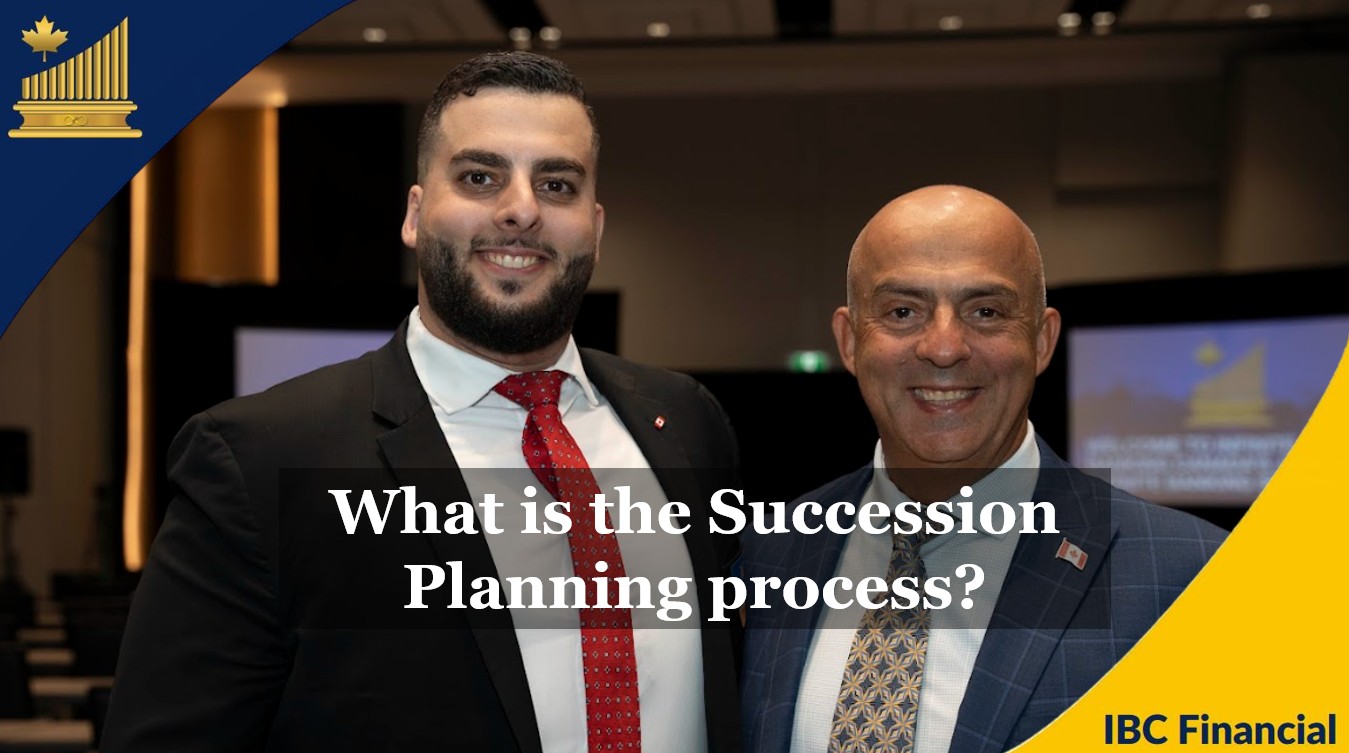
What Is the Succession Planning Process?
Succession planning covers two questions: who leads the business next, and who owns it next. Most plans answer the first and leave the second undecided.
Read moreMoney Principles
Opportunity cost, compound growth, capital recovery and liquidity are the ideas a reader needs before any product conversation makes sense, because they describe what money does over time regardless of where it is held.

Money Principles
Opportunity cost, compound growth, capital recovery, liquidity and the cost of waiting, explained without reference to any product.
Read more
Capital Recovery
What capital recovery means, the capital recovery factor, and how depreciation and the Canadian capital cost allowance relate to it.
Read more
Compound Interest
How compound interest works, the formula and what each term means, why frequency matters, the rule of 72, and the three ways the arithmetic is overstated.
Read more
Opportunity Cost
What opportunity cost means, how it is calculated, explicit and implicit costs, how it differs from sunk cost, and why the alternative must be named.
Read more
The Money Multiplier
What the money multiplier is, how it is calculated, what the reserve ratio does, and why the textbook version does not describe Canadian banking.
Read more
What Are the Fees for a Wealth Manager?
How wealth management is charged in Canada: percentage of assets, hourly, flat and retainer structures, management expense ratios, and embedded costs.
Read more
Why Is Personal Finance Important?
What personal finance covers, where the field came from, the five areas it spans, the order they matter in, and what changes when someone understands it.
Read moreObjections and Risks
Critics of this strategy raise arguments about cost, opportunity cost, comparison framing and the rate at which policies are surrendered, and several of those arguments are correct and are addressed directly here rather than dismissed.

The Honest Case Against, and What It Gets Right
The arguments made against using participating whole life insurance as a place to hold capital, set out in full, including the ones that are correct.
Read more
Is It Legitimate?
Readers asking whether infinite banking is legit are asking three questions at once. The contract is regulated insurance; the selling is what is criticised.
Read more
Risks and Failure Modes
The ways a participating contract goes wrong in practice: early surrender, lapse with a loan outstanding, overfunding, wrong design, and loss of exempt status.
Read more
The Comparison Question
The case for what practitioners call becoming your own banker rests on a comparison against an outside lender. For most people the honest comparison is savings.
Read more
The Real Costs
What a participating whole life contract costs, why the costs are not itemised the way a fund's fees are, and how to measure them anyway.
Read more
What Critics Get Right
Nine arguments made against using participating whole life insurance to hold capital, each stated at its strongest, and each given a plain verdict.
Read moreFamily Finance
Families face funding decisions across a lifetime, including education, a first home and emergency liquidity, and permanent insurance is one of several ways to hold capital for them, suited to some circumstances and not others.

Family Finance
Household decisions in the order they matter: protecting income, emergency liquidity, education funding, a first home, and where coverage on children fits.
Read moreLocations
Insurance is regulated provincially in Canada. What an advisor may call themselves, which regulator supervises them, and what happens to an estate all differ by province. These pages set out what is different where you live.

Life Insurance by Province and City in Canada
Insurance is regulated provincially in Canada. Which regulator supervises your advisor, which titles they may use, and what an estate costs all differ.
Read more
Life Insurance in Alberta: Rules, Probate and Who May Advise You
What differs for an Alberta household: the Alberta Insurance Council, a probate fee structure unlike Ontario's, and no provincial title protection statute.
Read more
Life Insurance in Manitoba: The Province That Abolished Probate Fees
Manitoba abolished probate fees, which removes the estate-cost argument entirely. What that changes about naming a beneficiary when the fee is nil.
Read more
Life Insurance in New Brunswick: Title Protection and Two Official Languages
New Brunswick is Canada's only officially bilingual province and one of three with title protection legislation. What both mean for a household here.
Read more
Life Insurance in Quebec: A Different Legal System Entirely
Quebec operates under a different legal system, not merely different rules. What that changes for insurance: the AMF, spousal designations and notarial wills.
Read more
Life Insurance in Toronto: What Is Different in Ontario
What differs for a Toronto household: the Ontario regulator, the titles an advisor may use, Estate Administration Tax, and what a named beneficiary changes.
Read more
Life Insurance in Vancouver: What Is Different in British Columbia
What differs for a Vancouver household: the Insurance Council of British Columbia, probate fees rather than an estate tax, and wills variation.
Read more
Ottawa and Gatineau: Living in One Province, Working in Another
Thousands in the National Capital Region live on one side of the Ottawa River and work on the other. Which province governs insurance, pensions and an estate.
Read more
Provinces Where This Practice Is Not Licensed
The provinces and territories where neither Jose Salloum nor the firm holds a licence, what that means for you, and how to find an advisor who is licensed.
Read moreTerms are admitted here only once at least two articles need them. A definition that only one page uses belongs inside that page.
The terms
Adjusted cost basis. The tax cost of a policy to its owner, and the figure that decides how much of any amount taken out is taxable.
Capital Dividend Account. The notional account of a private corporation through which a death benefit can reach shareholders without income tax.
The exempt test. The calculation that decides whether a policy accumulates value without annual taxation, and the reason deposits are capped.
Dividend scale. The assumptions behind every non-guaranteed figure on a participating illustration.
Why this section is not indexed
A glossary competes with the articles that define the same terms in context. It is kept here for readers who arrive at a word they do not recognise, and it is not offered to search engines as an alternative to the pages that do the teaching.
How these entries are written
Each states what the term means, in one sentence, before anything else.
Then where it appears in a contract or on an illustration, because a reader who meets a term has usually met it on a document rather than in the abstract.
Then what it is commonly confused with, since most of the difficulty in this subject is two similar words carrying different consequences.
And which articles use it, so a reader can return to the page that does the teaching rather than staying in a list of definitions.
What a glossary cannot do
It cannot tell you whether any of this suits you. A definition is context-free by design, and every question worth deciding depends on facts about a household that no definition contains.
Nor is it a substitute for the contract. Where a definition here and a policy differ, the policy governs, and the definitions are written to help a reader understand their own document rather than to replace it.
Why terms are admitted slowly
A glossary assembled ahead of the content it serves is a keyword list.
Entries appear here only once at least two articles need them, and each runs to enough length to be worth a reader's time. A definition that only one page uses belongs inside that page, where it has the context that makes it usable.
Which means this section will stay small. Most of the terms on this site are explained where they arise, in the article that needed them, and that is the better place for them. The four here earned separate pages because they recur across sections and because readers meet them on documents before they meet them in an argument.
If a term you need is missing
It is probably defined inside an article. The search on this site covers the full text of every page, and the term will usually be found in the first paragraph of the section that uses it.
And if it is genuinely absent, that is worth telling us. The contact details are at the foot of every page, and a term that a reader had to look elsewhere for is a gap in the writing rather than in the glossary.
Where these terms come from
All four are Canadian. The adjusted cost basis and the exempt test come from the Income Tax Act and its regulations. The Capital Dividend Account is a provision of the same Act applying to private corporations. The dividend scale is an insurer's own construct rather than a statutory one.
None transfers from American material. The United States uses a different regime for the same underlying questions, and a reader who arrived here from an American article about modified endowment contracts or section 7702 has been reading about rules that do not apply.
Which is part of why the entries exist. Most of the freely available writing on these subjects is American, the vocabulary overlaps enough to be misleading, and a Canadian reader can spend a long time absorbing a framework that will not describe their own contract.
The order worth reading them in
The exempt test first, because it explains why a Canadian policy is shaped the way it is and why deposits are capped.
Then the adjusted cost basis, which decides what any of the value costs to reach.
Then the dividend scale, which governs everything on an illustration that is not guaranteed.
And the Capital Dividend Account last, since it applies only where a corporation owns the contract and is the narrowest of the four.
A thirty-minute discovery meeting
A first conversation establishes whether this fits. No illustration is prepared and nothing is arranged.
Often the answer is no, and you will hear it during the call rather than in a proposal afterwards.
This form reaches Canadian Wealth Creation Centre Inc. Any meeting, any advice and any insurance product is provided by Canadian Wealth Creation Centre Inc., through its representatives certified by the Autorité des marchés financiers. IBC Financial is the company's education platform: it distributes no product and no financial service, and it gives no individualised advice.
Common questions
Why does this glossary only contain four terms?
Does an American life insurance glossary apply in Canada?
What do I do if the term I need is not in this glossary?
If a definition here and my policy disagree, which one governs?
In what order should I read these entries?
Which of these terms are set by law and which are set by the insurer?
Why is a definition not enough to decide anything?
Where do these terms appear on my policy documents?
Last reviewed 2026-08-21.