
How Much Money Do You Need to Start? What Sets the First Premium
There is no single amount. The right first premium is the one your income can keep paying for decades, once protection, an emergency reserve of about three to six months of living expenses and high-interest debt are handled. Your budget sets that number first. Then your age, your health, the coverage and the design decide what the premium buys, and your own illustration shows it. A premium you cannot sustain is the most common reason a start goes wrong.
"How much do I need to start?" It is usually the second question people ask about this approach, right after "how does it work?" And it is the question most often answered badly. Some answers name a minimum. Some suggest that any amount will do. Some hint that the more you put in, the better it gets. None of those answers starts in the right place.
Why does this question matter so much? Because the amount you choose at the start is the commitment you carry for decades. A specially designed, high-cash-value, participating whole life insurance policy is built on the assumption that its premium will be paid, year after year. Set it too high and one hard year can force choices that cost you. Set it without a reserve behind it and an ordinary emergency lands on the policy. The number is small on the day you sign. Its consequences are long.
So this page does not give you a figure. It gives you the order in which the figure is found, the things that decide what a premium buys, and the questions to ask before you settle on one. If, by the end, the honest answer for your household is "not yet", that is a good outcome too.
Let me give you the short version first.
How much money do you need to start?
There is no single amount. The right first premium is the one your income can keep paying for decades, once protection, an emergency reserve and high-interest debt are handled. Your budget sets that number first. Then your age, your health, the coverage and the design decide what the premium buys, and your own illustration shows it.
That is the whole answer, and every part of it carries weight. The budget comes before the illustration. The foundations come before the budget. And what the premium buys is a separate question from how large it is.
The rest of this page takes each part in turn.
Why is there no single starting amount?
Because a premium is not a deposit with a fixed entry price. It is the price of a life insurance contract, and that price is set for one person and one design.
Four things decide what a given premium buys.
Your age is the first. The older you are when the contract is issued, the more of each premium goes to the cost of insuring your life.
Your health is the second. Underwriting looks at your medical history and lifestyle, and the result can change the price of the coverage. Smoker status and the premium shows one of the factors that matters most.
The amount of coverage is the third. Insurers set their own minimum coverage amounts, and the premium follows from the coverage chosen.
The design is the fourth. A contract designed for higher early cash value splits the premium into two parts: a base premium that pays for the permanent coverage, and an optional amount that buys paid-up additions. How the two are balanced changes how quickly cash value builds. High cash value life insurance explains the levers a licensed insurance professional works with.
Put those four together and two people paying the same premium can own very different contracts. That is why a number quoted without your age, your health and your design tells you very little.
What has to be in place before the first premium?
five situations it tends to suit
Who this method suits
- 01Households with durable surplus income, not one good year
- 02People who already think about money in decades
- 03People who want the permanent coverage in its own right
- 04Owners and professionals who can fund premiums through uneven years
- 05Families arranging capital across more than one generation
Three things, and they come before any amount is chosen.
The first is protection. If someone depends on your income, the life insurance they need may be larger than any permanent policy you could comfortably pay for. Term insurance is often how that need is met first, at a lower cost, and a permanent contract is added on top of it rather than instead of it.
The second is an emergency reserve. The Canadian Investment Regulatory Organization (CIRO) describes an emergency fund as money set aside for unexpected expenses, and gives a general guideline of three to six months of regular living expenses, adjusted to your situation. That reserve is what stands between an emergency and your policy. Without it, the first car repair or lost month of income lands on the premium. The family emergency reserve shows how to build it and where to keep it.
The third is high-interest consumer debt. A credit card balance at a high rate is usually cleared before a household commits to a long premium. Paying it off removes a cost you already know.
Here is the discipline. These three are not obstacles placed in front of the method. They are what makes a premium safe to commit to. A household that skips them is not starting sooner. It is starting on ground that may not hold.
How do you find the premium your budget can carry?
Start from your budget, not from an illustration. An illustration shows what a premium could buy. It cannot tell you whether you can pay it.
Write down what comes in each month and what goes out: housing, food, transport, childcare, the protection you already carry, the amount going into your reserve, and debt repayments. What is left is your surplus. Then ask a harder question. What would be left in a lean year? If your income is uneven, as it is for many self-employed people and commissioned workers, use your weaker months, not your average.
The premium is a share of that lean-year surplus, not all of it. A cautious share leaves room for the year the car needs replacing, the year a child needs braces, the year work slows down. A premium that only fits in a good year does not fit.
Then think in decades, not quarters. A specially designed, high-cash-value, participating whole life insurance policy is designed to be paid for many years. The early years are the years when walking away costs the most, because the first premiums carry most of the contract's costs. Why early cash value is lower than premiums paid explains where that money goes. So the test is not "can I pay this next month?" It is "can I keep paying this through the next ten years, including the hard ones?"
Only when you have that number do you sit down with a licensed insurance professional and your accountant, and ask what that premium would buy for someone of your age and health.
What does a premium actually pay for?
It pays for three things at once.
Part of it pays for the cost of insuring your life. That part is what keeps the death benefit in place, and it is the reason this is life insurance first, not an investment.
Part of it pays for the contract's own costs: issuing it, administering it, the tax on premiums, and the commission paid to the professional who places it. These costs weigh most in the early years.
The rest builds cash value. In a contract designed for higher early cash value, much of that comes from the optional part of the premium that buys paid-up additions. Paid-up additions are small blocks of fully paid insurance added to the contract. Each one adds cash value and death benefit without any further premium, and each one can earn dividends of its own. Paid-up additions explains how they work, and insurance premium covers the base premium in more detail.
Some contracts call this optional part an extra deposit option. Whatever the name, it is a premium, paid to the insurer, and the contract sets how much of it you may pay each year. Ask whether an administration fee applies to each extra amount, and how much.
Two facts about cash value matter when you choose an amount. In a participating contract with premiums paid and no loan or withdrawal, cash value already credited does not go down with markets. And dividends are not guaranteed; a lower dividend slows future growth but does not reduce cash value already credited. Your illustration shows both columns, guaranteed and illustrated, year by year. Reading the cash value table explains each column in plain words.
Can you start with very little, or with no money?
four settled, then one question
What comes before any product
- 01Accessible cash for something unexpected
- 02High interest debt repaid before anything accumulates
- 03Protection verified by a needs analysis, not an assumption
- 04Capital, which has to exist before it can do anything
- 05Then where it is held, and how many jobs each dollar does
With no money, no. People search for a way to start "with no money", and some sources suggest one exists. It does not. The contract needs a premium from the first month, and the cash value it builds comes from premiums paid. A policy loan is available only against cash value that already exists, so there is nothing to borrow against on the first day.
Some people consider borrowing to pay the first premium. That is a separate decision, with its own interest cost and its own tax rules, and in the early years the cash value is often below the premiums paid. Borrowing to pay the first premium sets out what that choice really involves. For most households starting out, it is not where to begin.
With very little, the answer is more nuanced. A modest premium that you can keep paying is a sound start. It builds the habit, it puts permanent coverage in place, and it can grow later if your income grows. What a small premium cannot do is build cash value quickly. Cash value grows with the premiums paid and with time, so a small premium means a longer wait before there is meaningful value to borrow against. That is not a flaw. It is the arithmetic of the contract, and it is better to know it before you sign than to discover it in year three.
Is a bigger premium always better?
No. A bigger premium builds cash value faster only if you keep paying it. That condition is the whole point.
There are three reasons not to stretch.
The first is the hard year. A premium set at the edge of the budget is the most common reason a start goes wrong. When the premium cannot be paid, the options a contract may offer (using dividends, an automatic premium loan, reducing coverage) each have a cost, and some of them change the arrangement for good. I can no longer afford the premium sets out those options plainly.
The second is the tax rules. A policy keeps its tax-sheltered status only while it passes the exempt test in section 306 of the Income Tax Regulations. In short, the test compares the savings inside the policy with a benchmark set by the regulations for that policy's coverage. A contract cannot absorb any amount you would like to put in; the room is limited compared with the coverage. The exempt test explains what happens when a contract gets close to that line.
The third is flexibility. The optional part of the premium, the part that buys paid-up additions, can often be adjusted within the limits the contract sets. The base premium cannot be skipped. A design that puts more of your commitment into the base premium leaves you less room to adjust in a lean year. Ask how the premium is split, and which part you could reduce if you had to.
So the right size is not the largest you can manage. It is the largest you can keep paying in a lean year, with the reserve still intact.
Can you start small and add more later?
Regulation 306 of the Income Tax Regulations
The exempt test, and what it decides
- A policy is measured against a notional benchmark. What does that decide?
- It accumulates without annual taxationThe policy passes.
- It is taxed each year on accrued incomeThe policy fails.
Often, within limits.
Within the contract, the optional part of the premium can usually be increased up to the room the contract allows. Many owners fill that room as their income grows, and room that is not used in a year may not come back. Maximizing the deposit option explains why the room matters and how it can be lost. Can I increase my premium after the policy is issued? covers the base premium.
Beyond the contract, a second policy is a common way to grow. Nelson Nash, who first described the idea, taught that the premium should grow with your income over time. Premiums that match your income covers that lesson and its Canadian limits. A second policy means new underwriting, though, and health can change. Coverage that is easy to obtain at one age may cost more, or be harder to obtain, later.
That is a reason to begin with a premium you can sustain, not a reason to begin with one you cannot. Starting small and adding is a sound pattern. Starting large and cutting back is usually the costly one.
Monthly or once a year?
Both are usually possible, and the choice comes down to two things.
The first is your cash flow. A monthly premium fits a monthly paycheque. An annual premium suits someone whose income arrives in larger, less regular amounts.
The second is cost. The total paid over a year can differ between the two. Is it cheaper to pay premiums annually or monthly? explains why. Ask the insurer for both figures in writing, and choose the one you can keep paying without strain.
Where do people get the amount wrong?
Most of the ways the amount goes wrong are visible in advance.
The first is choosing it from the illustration. Someone sees what a larger premium would build in twenty years and works backwards to a number the budget never agreed to.
The second is spending the reserve to fund the first premium. The policy is in place, and the household has nothing left for the emergency that arrives in year two.
The third is reading only the illustrated column. If a decision depends on a number that depends on dividends, it depends on something the insurer does not owe. Read the guaranteed column first.
The fourth is expecting the first years to feel productive. They are quiet. Cash value builds slowly at first, and that is normal. Capitalization before use explains why the early years are about building, not using.
The fifth is deciding alone. The tax side of a policy is specialised. Your accountant should see the illustration before you sign. The mistakes that stall a family financing system covers these errors and a few more, with their warning signs.
What should you ask before you settle on an amount?
both failures come from one decision
How this goes wrong, named in advance
- 01Early surrender, when the costs fall heaviest
- 02Lapse while an advance is still outstanding
- 03A taxable gain arriving with no cash to pay it
- 04Funding a contract the household cannot sustain
- 05Drawing on the contract without ever repaying
Bring your own figures. Then ask the licensed insurance professional for these, in writing:
- What does this premium buy for someone of my age and health, in the guaranteed column and in the illustrated column?
- How is the premium split between the base premium and the optional part that buys paid-up additions?
- Which part could I reduce in a hard year, and what would that change?
- How much room does the contract allow for extra amounts each year, and is there an administration fee on them?
- In which year does the cash value pass the total premiums paid, in each column?
- What happens if I stop paying, and what options would the contract offer?
- What is the cost of paying monthly compared with once a year?
Then take the illustration to your accountant and ask one more question: how would a policy loan be taxed for this contract, given its adjusted cost basis? A policy loan is a disposition of an interest in the policy under section 148 of the Income Tax Act, and the part above the adjusted cost basis is included in income. Policy loans covers how a loan works once there is value to borrow against.
How does the amount fit into the first steps?
Setting the premium is the fourth of the first steps, after learning the method, checking your foundations and writing down what you would finance. How do you start? The first steps, in order sets out the whole sequence, from first reading to first policy loan. If you have not yet listed the purchases you would finance, deciding what the system should finance helps with that step, and a household with a mortgage and young children will find its own questions in starting with a mortgage and young children.
The family finance section gathers the other pages on budgets, reserves and protection for a household.
What this page will not tell you
It will not tell you what premium to pay. That depends on your income, your expenses, your age, your health, your family and your goals, and it is decided with a licensed insurance professional and your accountant once your foundations are in place. It gives no figure for cash value, for an insurer's minimum, or for the year a first loan becomes possible, because each is specific to one contract and printed in its illustration. It does not give tax or legal advice. The tax points above are general rules, and how they apply to you is a question for your accountant.
Who this does not suit
This approach does not suit someone with no stable income, for whom the better first step is a reserve and a surplus. It does not suit someone who would need to stretch to pay the premium, or to spend the emergency reserve to start. It does not suit someone with a short horizon, because early values are lower than the premiums paid. It does not suit someone carrying high-interest consumer debt, which should be cleared first, or someone looking for market returns, because this is insurance and does not behave like an investment. And it does not suit anyone living outside Canada, since these contracts are issued to residents.
If one of those describes you today, the answer to "how much do I need to start?" is simple. Start with the reserve. The rest can wait until it is ready.
A thirty-minute discovery meeting
A first conversation establishes whether this fits. No illustration is prepared and nothing is arranged.
Often the answer is no, and you will hear it during the call rather than in a proposal afterwards.
This form reaches Canadian Wealth Creation Centre Inc. Any meeting, any advice and any insurance product is provided by Canadian Wealth Creation Centre Inc., through its representatives who are licensed in the client's province. IBC Financial is the company's educational website: it distributes no product and no financial service, and it gives no individualised advice.
Common questions
How much money do you need to start what is known as infinite banking?
Can you start with no money?
Is a larger premium always better?
Can I start small and increase the premium later?
Should the premium be paid monthly or once a year?
Do I need to be wealthy to start?
Sources
- Canadian Investment Regulatory Organization (CIRO), What Is An Emergency Fund?, ciro.ca: an emergency fund is money set aside for unexpected expenses; a general guideline is to save enough to cover three to six months of regular living expenses, and the right amount depends on your situation. Read on 3 November 2026., verified 2026-11-03
- Income Tax Regulations, C.R.C., c. 945, section 306 (Exempt Policies): a life insurance policy is an exempt policy when, on each policy anniversary, its accumulating fund does not exceed the accumulating funds of the exemption test policies deemed issued for it under subsection 306(3). Justice Laws Canada, current to 19 October 2026, last amended 18 June 2026, read on 3 November 2026., verified 2026-11-03
- Income Tax Act, R.S.C. 1985, c. 1 (5th Supp.), section 148: subsection 148(1) includes in a policyholder's income the amount by which the proceeds of the disposition of an interest in a life insurance policy exceed its adjusted cost basis; subsection 148(9) defines a policy loan as an amount advanced by an insurer to a policyholder and counts a policy loan made after March 31, 1978 as a disposition. Justice Laws Canada, current to 19 October 2026, last amended 18 June 2026, read on 3 November 2026., verified 2026-11-03
- Locked facts register of this practice, participating cash value: in a participating policy with premiums paid and no loan or withdrawal, cash value already credited does not go down with markets; dividends are not guaranteed, and a lower dividend slows future growth only. Verified on 30 October 2026 from insurers' own publications; not reopened for this page., verified 2026-10-30
- Google, searches for 'how to start infinite banking' (google.ca) and earlier daily searches, 3 November 2026: 'How much money do I need to start infinite banking?' appears in People also ask, and 'how to start infinite banking with no money' among the related searches; no page on this site answers the starting amount as its own subject., verified 2026-11-03
About the author

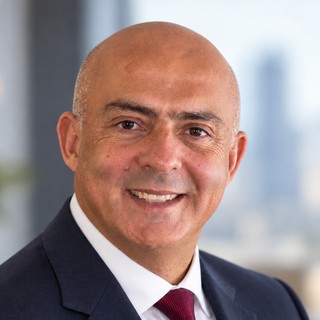
Jose Salloum is a Financial Security Advisor (conseiller en sécurité financière) certified by the Autorité des marchés financiers in Quebec, a Life and Accident & Sickness Insurance Agent licensed by the Financial Services Regulatory Authority of Ontario, and a Life Insurance Agent licensed by the Insurance Council of British Columbia. Licensed since 2001.
He has practised Infinite Banking since 2015 and founded Canadian Wealth Creation Centre Inc. in 2016. From 2020 to 2024 he was an IBC (Infinite Banking Concepts™) Authorized Practitioner of the Nelson Nash Institute, a private certification rather than a regulatory licence.
IBC Financial is the educational website of Canadian Wealth Creation Centre Inc., open to all Canadians. Services come only from Canadian Wealth Creation Centre Inc. Its representatives hold a licence in each province served: Quebec, Ontario, Alberta, British Columbia, Manitoba and New Brunswick. Jose Salloum's own licences cover Quebec, Ontario and British Columbia. This page is general education and not advice on any individual file.
Last reviewed 2026-11-03. By Jose Salloum, Financial Security Advisor in Quebec. In Ontario, Life and Accident & Sickness Insurance Agent. In British Columbia, Life Insurance Agent.