

How should a dentist plan for leasehold improvements, a lease renewal and a second location?
Start with the lease, not the financing application. A dental build-out can require cash before it produces revenue, while the value of work attached to the premises depends on how long the practice can stay. Map renewal rights, landlord approvals, construction payments and operating reserves before committing to a renovation or a second site. Capital built over years in a participating whole life policy may provide one financing option, but a policy loan from the insurer carries interest, tax consequences and limits.
Why do dental leasehold improvements create a different financing problem from equipment?
A dental build-out ties capital to a particular premises, so its useful life to the practice depends partly on the lease.
An operatory is more than a chair and the instruments beside it. It may need changes to plumbing, electrical service, ventilation, cabinetry, sterilisation space, accessibility and the layout that lets patients and staff move through the practice. Some items can be moved; others become part of the premises. The lease, rather than the dentist’s equipment list, often determines what happens to those improvements when the practice leaves.
That distinction matters when planning cash. Equipment has its own replacement cycle, explored in dentists and the equipment cycle. A build-out has another cycle: the practice may need to alter rooms as services change, renovate an ageing space, restore an area after damage, or fit out new premises after a move. Work that remains perfectly usable can still lose much of its value to the practice if the right to occupy the space ends.
Before approving drawings, separate the proposed spending into three lists. First, identify movable equipment that the practice expects to retain. Second, identify work attached to the premises, including services installed to make an operatory function. Third, identify work the lease might require the tenant to remove or restore at departure. The contractor can help describe the physical work; a lawyer must establish the rights and obligations in the lease. Do not assume that paying for an improvement means the tenant can take it away.
This is also a financing question even when the dentist plans to pay cash. Nelson Nash’s premise in Becoming Your Own Banker® (2000), the book that describes the idea known as The Infinite Banking Concept®, is that a family’s need for financing is greater than its need for life insurance protection. Every purchase is financed somehow: outside credit has an interest cost, while paying cash gives up what that cash could otherwise have earned or supported. A practice owner should therefore ask not only, “Can we afford the construction?” but also, “Where will the capital come from, what else must it support, and how will we restore it after the project?”
The purpose is to think like a lender toward your own practice. A lender would examine the lease, the timetable and the ability to make payments after construction. The owner should do the same, whether the money comes from retained cash, outside credit or a financing system built gradually over many years. The policy, if suitable, is one possible tool within that system; financing is the purpose. It cannot make an unfavourable lease term favourable.
How do a lease renewal, relocation clause and landlord approval change the timetable?
where the structure usually goes wrong
Corporate-owned life insurance
- The company owns the contract and pays the premium
- Premiums are generally not deductible
- Corporate funding is not, by itself, a tax saving
- A death benefit it receives may credit the Capital Dividend Account
- Ownership and beneficiary structure is where it fails
The lease determines how securely the practice can use its renovated space and when it must make binding decisions.
Start with the remaining lease term and every renewal option. An option is useful only if its notice requirements and other conditions can be met. Have a lawyer identify who must give notice, how it must be delivered, what happens if a deadline is missed, and how rent will be established during a renewed term. Put those dates beside the anticipated renovation dates. A practice should not commit to work on the assumption that renewal will be available if the right has not been checked.
Next, ask whether the landlord can relocate the practice or end the tenancy in circumstances described by the lease. A relocation clause deserves particular attention in dentistry because patients need to find the premises, clinical rooms need specific services, and moving can interrupt care. The questions are not only whether relocation is permitted, but where, on what notice, who pays to recreate usable space, and whether the replacement premises can be approved for the intended clinical use. The wording and its effect depend on the lease and applicable provincial law.
Approval for construction is another separate step. The lease may require written consent for plans, contractors, signage, service changes or access to shared building systems. A municipal permit or professional approval, where required, does not replace the landlord’s consent. Nor should a contractor deposit be paid on the assumption that consent will arrive without changes.
Ask the lawyer which improvements the landlord owns or may keep, whether the practice can assign the lease on a sale, whether a personal guarantee continues through renewal, and whether any rent-free construction period or contribution from the landlord is actually documented. Assignment matters later too: a buyer will read the same lease when the time comes for selling the practice. A landlord contribution may reduce the immediate cash need, but its conditions may affect other lease terms.
For a Quebec practice, the lawyer should review the lease under Quebec law; a dentist elsewhere needs advice for the province where the premises sit. No general article can tell a tenant what a particular signed commercial lease allows. The practical order is to secure the right to occupy and alter the space, then settle the scope of work, then choose how to finance it.
What cash does a dental renovation need before patients can use the space?
frequently the same person, not always
Three roles inside one contract
- 01One contractAll three can differ. Only the policyholder changes it, subject to any irrevocable beneficiary.
- 02The policyholderOwns the contract and holds its rights, subject to any assignment.
- 03The insuredThe person whose life is covered.
- 04The beneficiaryReceives the death benefit.
A renovation needs working cash as well as construction funding, because payments and lost production can arrive before the finished rooms contribute revenue.
Planning usually begins with drawings and a scope that the landlord, relevant authorities and the people doing the work can review. Depending on the premises and project, there may be permits, professional requirements, utility coordination, inspections and approvals before rooms can be used. A contractor may need a deposit to schedule work or order materials. Later payments can come due as work reaches agreed stages, not when patient appointments resume.
Meanwhile, operating the existing practice may become harder. An operatory might be unavailable. Patients may need to be rescheduled, staff may have to work around construction, and production can fall for a period. The project budget and the cash-flow plan are therefore different documents.
A useful plan has a timeline with four columns: what must be approved, what must be paid, which clinical capacity is available, and what cash remains after each step. Include the practice’s ordinary obligations, such as payroll, rent, supplier payments and existing debt service. Keep a separate contingency for scope changes or delays. Do not count a future increase in production as cash available to pay a deposit today.
| Cash need or decision | When it may arise | What to check before committing |
|---|---|---|
| Plans and approvals | Before work starts | Lease consent, permits and clinical requirements |
| Contractor deposit | Before or at scheduling | Written scope, payment terms and available cash |
| Progress payments | During construction | Milestones, change orders and remaining funding |
| Lower production | During disruption | Payroll, rent and a reserve for slower months |
| Opening the completed space | After work and approvals | Staffing, inspections and time to rebuild the schedule |
Illustrative arithmetic, not a project quote: Suppose a dentist uses 100 planning units to model a renovation. The initial plan assigns 55 units to contracted work, 15 to deposits and related early cash needs, 20 to the practice’s reserve during disruption, and 10 to contingencies. That totals 100 units (55 + 15 + 20 + 10). If changes consume 8 of the 10 contingency units before construction finishes, only 2 remain; the reserve of 20 has not increased. The point is to keep project spending and operating resilience visible as separate commitments, not to suggest that these proportions describe a typical clinic.
A practice with enough cash to sign a construction contract may still lack enough cash to live through the work. The dentist, contractor, lawyer and accountant have different parts to play. A financing decision is sounder when their assumptions appear on the same timeline.
Why does opening a second dental location usually use capital before it produces enough cash?
A second location adds a second set of fixed commitments while patients, staffing and reliable production are still being established.
A second lease is not just an extension of the first practice. It has its own premises, build-out obligations, rent commencement date and renewal risks. It also needs equipment, supplies, systems and people. A managing associate may be needed to make clinical and scheduling decisions when the owner is at the original location.
Even a site that opens on schedule can take time to build a patient base and a full appointment book. Staff and premises costs begin before that process is complete. A temporary problem at either location can then affect the cash available to support both. This is why the early years of a second site usually consume capital rather than release it for the owner’s next project.
Prepare a site-by-site cash plan rather than combining all expected revenue into one reassuring total. Identify what the original practice can safely contribute without weakening its own payroll and obligations. Specify who authorises additional spending at the new site and what happens if patient build-up is slower than planned. Test whether the dentist could carry both leases through that slower period. If the answer depends on immediate strong production at the new site, the reserve may be too thin.
The second lease deserves the same legal scrutiny as the first, plus questions about the interaction between them. Are there personal guarantees? Could a sale or partnership change affect assignment rights? Can signage and access support the intended use? What would happen if the second premises were delayed after staff and equipment had been committed? The answers help distinguish opening costs from the capital needed to sustain operations after opening.
The broader financing sequence across a dentist’s career belongs with financing a dental career. The lesson for this decision is narrower: a second site is not solved by finding money for construction alone. It calls for a plan that protects the established practice while the new one becomes dependable.
How do outside lenders commonly assess a build-out or second dental office?
the commonest reasons it fails
Who this method does not suit
- 01A household whose income cannot carry an ordinary decade
- 02Anyone who may need the capital in the first several years
- 03Anyone who will not repay what they draw
- 04Anyone who does not actually want permanent coverage
- 05Anyone who cannot say what the contract is for
Outside lenders generally look for evidence that the practice can carry the project through construction and repay its obligations afterwards.
A lender may ask about the dentist’s operating history, existing debt, available cash, the proposed lease, construction plans, contractor arrangements and projected cash flow. For a second site, the lender may also examine the established practice, the proposed staffing model and how the new location will attract and retain patients. Requirements vary by lender and project, much as they did when buying a practice. An approval for equipment should not be assumed to cover improvements attached to leased premises.
Leasehold work can raise a particular concern: a lender advancing money for something built into another party’s property must understand what rights remain if the tenancy ends. The term left on the lease, renewal rights and landlord consent can therefore matter to financing. A dentist should ask what documents the lender needs and when, especially if contractor payments have fixed dates. Avoid a plan in which a deposit is irrevocable before essential financing and permissions are settled.
Outside credit has a useful role. It can provide capital before a practice has had years to accumulate its own. The lender charges for supplying that capital and taking the agreed risks. Compare the full obligation, including payment timing, security and any personal guarantee, with the cash the practice can reasonably generate during a slower opening period.
The approach known as The Infinite Banking Concept®, as Nelson Nash described it, asks a longer-term question alongside that immediate application: could the owner build a financing system so that fewer ordinary, repeating purchases depend on outside lenders? Canadian Wealth Creation Centre Inc., which provides the service and publishes the educational website IBC Financial, calls the long-term destination Infinite Financial Sovereignty® (a registered trademark of Jose Salloum): eventually reducing and ending that reliance for ordinary purchases. It is a goal, not a promise and not a reason to refuse appropriate outside financing today.
Thinking like a lender does not mean treating all outside credit as a mistake. It means giving each financing source a job. An outside facility might carry part of construction; retained cash might protect payroll; capital built well ahead of time in a policy might support a defined deposit or reserve. Then the practice must decide how each source will be restored or repaid.
Could a participating whole life policy help finance part of the project?
five situations it tends to suit
Who this method suits
- 01Households with durable surplus income, not one good year
- 02People who already think about money in decades
- 03People who want the permanent coverage in its own right
- 04Owners and professionals who can fund premiums through uneven years
- 05Families arranging capital across more than one generation
Capital built over years in a suitable policy may support a defined cash need, but a policy loan is an advance from the insurer, not a cost-free withdrawal.
In Canada, the usual insurance tool for this approach is a participating whole life policy issued by a Canadian insurer. It provides life insurance protection and cash values guaranteed under its contract. Participating dividends may be declared, but they are never guaranteed. Review guaranteed contractual values separately from illustrations that assume future dividends. Insurance is not an investment, and a policy should have a real protection purpose as well as any proposed financing use.
If sufficient value has accumulated and the contract permits it, the owner may request a policy loan from the insurer against the policy’s cash value. This ordinarily does not involve the credit application associated with an outside business loan, but the loan is not guaranteed: availability and amount depend on the contract, its value and the insurer’s requirements. Interest is paid to the insurer and continues to accrue until paid. The policy remains in force only if its terms continue to be met.
For a dentist, the useful question is specific: could an available policy loan cover a contractor deposit while another source funds progress payments? Could it provide part of a reserve for slow months without draining operating cash? Do not describe the policy as a source for the entire expansion unless the actual contract, available loan amount and repayment capacity support that statement. An urgent project cannot wait for a newly issued policy to build substantial cash value, which is why capitalization comes before use.
Set a repayment schedule when the advance is taken. The owner may have flexibility in scheduling repayments under the contract, but that flexibility is not permission to leave a business obligation unattended. Have the practice budget repayments as it would for an outside lender, with someone responsible for checking the balance and interest. Replenishing financing capacity is part of preparing for the next leasehold or equipment cycle.
The contract continues to be administered under its own terms while a loan is outstanding. An unpaid loan and accumulated interest reduce the death benefit payable. If debt and charges place too much pressure on the policy, it can lapse, potentially with tax consequences. Ask to see the guaranteed values, loan provisions and a stress test that does not rely on future dividends.
A policy takes years to build and its costs weigh most heavily in the early years. It requires steady funding that does not compete with rent, payroll, emergency reserves or repayment of costly existing debt. It is more plausible as advance preparation for repeating needs than as a response to a lease deadline already approaching. The concept is the financing discipline; the policy is a possible tool only where its protection, cost and long horizon fit.
What should a dentist ask a lawyer and an accountant before committing?
Ask the lawyer whether the practice can occupy, alter and transfer the premises as planned, and ask the accountant how the spending and financing will be treated for tax.
Bring the lawyer the existing or proposed lease, every amendment, renewal notice and proposed landlord consent. Ask when the present right to occupy ends and precisely how renewal works. Ask whether the landlord can relocate the practice, what compensation or replacement space the clause provides, and what approvals construction needs. Confirm who owns improvements during and after the term, whether the practice must remove them, and whether the lease can be assigned if the practice is sold. For a second site, have both leases reviewed together so their obligations can be seen at the same time.
Bring the accountant a breakdown of work rather than one undivided renovation invoice. Separate movable equipment, work to the premises, repairs, professional fees, any landlord contribution and financing costs. How leasehold improvements, repairs and fees are treated for tax belongs to the accountant, who will look at the facts, the lease terms and the timing of each item. Ask also what a move or an early end to the lease would mean for the tax position of work already done.
If a policy is involved, establish who will own it, pay its premiums, request a loan and use the proceeds. A corporation’s policy loan belongs to the corporation; transferring money to its shareholder is a separate transaction, discussed in the professional corporation and retained earnings. Ask the accountant to trace the use of loan proceeds and assess whether any interest deduction is available, rather than assuming business use settles the question.
Canadian policy-loan tax rules also belong in that meeting. Under section 148 of the Income Tax Act, a policy loan is a disposition, and proceeds above the policy’s adjusted cost basis are included in income, as explained in when a policy loan becomes taxable. Paragraph 60(s) of the Income Tax Act may allow a deduction when an amount previously included in income is repaid, within its limits. The adjusted cost basis is a changing tax figure, not a synonym for cash value. Growth within the contract remains sheltered from annual taxation only while it is an exempt policy under section 306 of the Income Tax Regulations. Ask for the actual figures and advice on the intended transaction.
What are the drawbacks, and when does this approach not suit a dental practice?
It does not suit a practice that needs near-term liquidity, cannot fund premiums steadily, or would weaken essential reserves to start a policy.
The first drawback is time. The policy’s early costs are substantial, and surrendering it in the early years may pay out less cash than the premiums paid. A dentist facing an imminent lease renewal or build-out should not treat a new policy as a ready source of construction funds. Meanwhile, an existing outside facility or retained cash may be the more appropriate answer to a present obligation.
The second is the continuing cost of using the policy. The insurer charges interest on a policy loan. Interest can accumulate if it is not paid; an outstanding balance reduces the death benefit. If the arrangement becomes unsustainable and the contract lapses, the owner can face a loss of coverage and a taxable event. A loan above adjusted cost basis can itself produce taxable income. Repaying the loan restores the available loan value, but it does not make the insurer’s interest charge disappear.
The third is uncertainty. Participating dividends are possible, not guaranteed, and policy loans are subject to contract terms and availability. Assuris protects Canadian policyholders within its limits if a member insurer fails, and it calculates that protection after policy loans; it is not a government guarantee. Read those protections accurately rather than treating every projected policy value as certain. The wider list of risks and failure modes is worth reading before any decision.
A practice still carrying difficult acquisition debt, lacking a reliable payroll reserve, or expecting ownership or cash needs to change soon should address those pressures first. The same applies if a second location depends on quick patient build-up to meet two leases, if the owner’s income is not yet protected against disability, or if the owner does not need permanent insurance protection. Someone unwilling to track and repay a policy loan should not use one to finance renovations. Suitable insurance cannot rescue weak lease rights, uncertain approvals or an expansion the underlying practice cannot support.
A more useful starting point is to map the next lease and renovation cycle, protect an operating reserve, and ask what capital can be built without strain over the years ahead. The long-term aim is greater control over ordinary financing, not freedom from costs or risks. The author is paid commissions by insurers when a policy is bought; that compensation is another reason to evaluate the lease, the cash plan and the alternatives before deciding whether a policy belongs in the plan.
A thirty-minute discovery meeting
A first conversation establishes whether this fits. No illustration is prepared and nothing is arranged.
Often the answer is no, and you will hear it during the call rather than in a proposal afterwards.
This form reaches Canadian Wealth Creation Centre Inc. Any meeting, any advice and any insurance product is provided by Canadian Wealth Creation Centre Inc., through its representatives who are licensed in the client's province. IBC Financial is the company's educational website: it distributes no product and no financial service, and it gives no individualised advice.
Common questions
How far before my dental lease renewal should I plan a renovation?
Can I take dental leasehold improvements with me if I move?
Will a lender finance improvements to a leased dental clinic?
Is a Canadian policy loan for a dental renovation tax-free?
Should I use a policy loan instead of outside financing for a second clinic?
Who should own a policy meant to help finance future renovations?
Sources
- Income Tax Act s.148, Justice Laws Canada, verified 2026-09-28
- Income Tax Act paragraph 60(s), Justice Laws Canada, verified 2026-09-28
- Income Tax Regulations, Regulation 306, Justice Laws Canada, verified 2026-09-28
- Assuris, Whole Life protection, net of policy loans, verified 2026-09-28
- Nelson Nash, Becoming Your Own Banker®, 2000, verified 2026-09-28
About the author
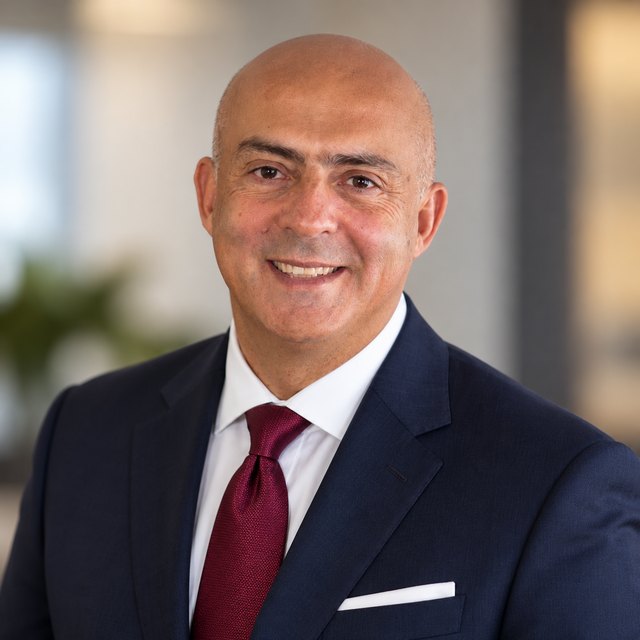
Jose Salloum is a Financial Security Advisor (conseiller en sécurité financière) certified by the Autorité des marchés financiers in Quebec, a Life and Accident & Sickness Insurance Agent licensed by the Financial Services Regulatory Authority of Ontario, and a Life Insurance Agent licensed by the Insurance Council of British Columbia. Licensed since 2001.
He has practised Infinite Banking since 2015 and founded Canadian Wealth Creation Centre Inc. in 2016. From 2020 to 2024 he was an IBC (Infinite Banking Concepts™) Authorized Practitioner of the Nelson Nash Institute, a private certification rather than a regulatory licence.
IBC Financial is the educational website of Canadian Wealth Creation Centre Inc., open to all Canadians. Services come only from Canadian Wealth Creation Centre Inc., in Quebec, Ontario, Alberta, British Columbia, Manitoba and New Brunswick. This page is general education and not advice on any individual file.
Last reviewed 2026-09-28. By Jose Salloum, Financial Security Advisor.