
How can a Canadian dentist put the financing concept of Nelson Nash to work across a career?
A dentist can apply the approach Nelson Nash called The Infinite Banking Concept® as a long-term way of handling financing, not as a substitute for every loan. The idea is to build a family financing system over many years, usually with a participating whole life policy, then consider policy loans for suitable purchases. Student debt, disability protection and dependable cash flow come first. Policy loans carry interest paid to the insurer and may have tax consequences; building enough cash value takes time and steady funding.
What does The Infinite Banking Concept®, as Nelson Nash named it, mean over a dental career?
It means treating financing as a recurring family and practice need, then gradually building a system that may reduce reliance on commercial lenders' credit approval. A policy loan is still a loan from the insurer.
Nelson Nash introduced The Infinite Banking Concept® in Becoming Your Own Banker® in 2000. His premise was that a family's need for financing is greater than its need for life insurance protection alone. A dental career makes the point clear: education, a practice purchase, equipment, premises and retirement all create financing decisions.
Every purchase is financed in some way. If you use a loan, you pay an outside lender for the use of its money. If you pay cash, you give up what that cash could otherwise have earned or remained available to do. Neither choice is always wrong; the source, cost and timing of financing deserve deliberate thought.
The mindset is to think like a lender toward your own family: plan for future purchases, keep capital available where appropriate, and set a realistic path for replenishing it after use. A family financing system here means policies owned by you, your spouse or your corporation and used for planned borrowing. Lending to a relative is a separate loan owed to you; document it and ask the accountant. Financing is the purpose; a policy, where one is suitable, is only the tool. In Canada, that tool is usually a participating whole life policy issued by a Canadian insurer. The contract sets out guaranteed cash values. Dividends are possible, but never guaranteed. Where the contract permits, its owner can request a policy loan from the insurer, secured by the available cash value, without a credit application; an assignment or the insurer's rules can limit it. The owner plans repayments, while the insurer charges interest under the contract's terms.
This does not replace conventional financing overnight. Early in a policy's life, its costs are high relative to available cash value, and it requires steady premiums for many years; capitalization comes before use. The goal is to build enough capacity to finance more ordinary purchases through the family's own financing system and rely less on commercial lenders over time. Canadian Wealth Creation Centre Inc., the firm that provides the service and publishes the educational website IBC Financial, calls that long-term goal Infinite Financial Sovereignty® (a registered trademark of Jose Salloum). It is a destination to work toward, not a promised outcome.
The career map below shows where the approach might help and where it cannot replace other planning.
| Career stage | Financing event | What conventional financing charges for | What a policy loan could contribute (the insurer is the lender) | Its limit |
|---|---|---|---|---|
| Dental school | Tuition and living costs | Interest on student borrowing | Establish a future financing habit once cash flow permits | It cannot solve an immediate shortage of income |
| Associate years | Debt repayment and early family purchases | Interest on loans or lines of credit | Build cash value gradually after essential protection and debt obligations | Early cash value may be limited |
| Practice purchase | Acquisition and working capital | Interest, fees and borrowing conditions | Provide part of the required capital or a source of later liquidity | It may be far too small for the purchase |
| Established practice | Equipment and technology renewal | Interest or leasing charges | Offer a potential source for planned purchases | Loan interest and repayment still matter |
| Expansion | Leasehold improvements or a second location | Financing costs and lender conditions | Contribute available capital without a new credit application for a policy loan | Lease and expansion risks remain |
| Incorporated years | Allocation of retained earnings | The cost of borrowing when corporate cash is committed elsewhere | Offer a corporate-owned planning option for some dentists | Ownership and tax treatment need specialist review |
| Practice sale | Transition expenses and uneven income | Interest on bridge financing, if needed | Provide possible liquidity during a transition | Sale proceeds and tax obligations may change the plan |
| Retirement | Spending over time | Interest on outside borrowing, if used | Offer access through a policy loan where suitable | A policy loan can create taxable income |
Should a dental student or new associate start this approach?
where the structure usually goes wrong
Corporate-owned life insurance
- 01The company owns the contract and pays the premium
- 02Premiums are generally not deductible
- 03Corporate funding is not, by itself, a tax saving
- 04A death benefit it receives may credit the Capital Dividend Account
- 05Ownership and beneficiary structure is where it fails
A new dentist should put essential protection, expensive debt obligations and dependable cash flow ahead of funding a policy they cannot maintain.
Dental school often ends with student debt, followed by the costs of establishing a career. An associate may need to pay for licensing, professional expenses, housing and an emergency reserve while learning what their income actually supports. This is not the stage to assume that a future practice purchase will justify a premium commitment today.
Life insurance may be important if someone depends on the dentist's income or if a lender requires coverage. Disability protection can be more urgent: a dentist's ability to work depends heavily on fine motor skills and sustained clinical capacity. The right order depends on household obligations and existing coverage, but protection and debt payments should not be displaced by an attempt to build cash value quickly.
An early, useful habit is to identify the next financing event before it arrives. What debt must be paid? What amount can be set aside consistently? What might be needed for a purchase deposit or a move? Cash savings keep a role for near-term needs and emergencies. A participating whole life policy is not a substitute for a readily accessible emergency fund.
A new graduate with heavy student debt and no surplus is not a suitable candidate yet. Neither is anyone, at any career stage, who cannot fund premiums steadily for many years. Waiting can be a sound decision. An associate with stable surplus cash flow, appropriate protection and a clear view of debt may choose to examine a policy, but should compare the commitment with other uses for that money: paying down debt, a cash reserve, a TFSA or RRSP, or term coverage.
Starting early, when affordable, is about time rather than a quick payoff. Contractual cash value develops over years, which may allow capacity to exist before the larger purchases arrive; no illustration promises that a particular practice opportunity can be funded. See also new dentists and student debt.
How could a policy help when buying into or buying a dental practice?
Cash value built before an acquisition may give a dentist another source of capital, but it rarely removes the need for careful purchase financing.
Buying into a partnership differs from buying an entire practice, yet both can involve a price negotiation, due diligence, legal documents and a substantial financing decision. A buyer may also need money beyond the purchase price for professional fees, working capital and changes to the premises. It can become the year of highest debt in a dental career.
An acquisition lender commonly examines the practice's finances, the buyer's ability to service debt and the security available. Depending on the transaction, the lender may require life insurance assigned to it so that an outstanding loan can be addressed if the borrower dies. Confirm the amount and terms with the lender, and do not assume existing coverage meets the requirement; assigning a policy can also restrict what its owner can do with it. Separate coverage may be appropriate.
If a dentist has spent years building cash value, a policy loan could potentially cover a portion of the required cash or preserve some other cash for operations. That is a change in negotiating position, not a claim that a practice can be purchased without an outside lender. The lender may still finance most of the acquisition, and a policy loan adds its own interest obligation. Both obligations must fit the expected practice cash flow, including a less favourable first year.
Capital built beforehand also creates choices: a dentist may be better able to address an unexpected closing cost or avoid committing every available dollar to the purchase. Conversely, taking too large a policy loan at acquisition could leave little room for the equipment or staffing needs that follow.
Read the acquisition agreement, lending terms and policy terms together; a separate guide walks through buying a dental practice in more detail. A lawyer and accountant should assess the transaction itself. A policy does not correct an unsuitable purchase price or a practice that cannot support its debt.
Can a dentist use a policy loan for equipment and technology?
frequently the same person, not always
Three roles inside one contract
- One contractAll three can differ. Only the policyholder changes it, subject to any irrevocable beneficiary.
- The policyholderOwns the contract and holds its rights, subject to any assignment.
- The insuredThe person whose life is covered.
- The beneficiaryReceives the death benefit.
A policy loan may help fund a planned equipment purchase, provided available cash value, loan interest and a workable repayment schedule all support it.
Chairs, digital imaging, CAD/CAM systems and sterilisation equipment wear out, become unsuitable or need replacing as a practice changes. The equipment cycle for dentists makes financing a repeating function inside the practice.
A conventional equipment loan or lease may be the right choice, especially when it preserves liquidity or matches payments to expected use. Compare its full terms with the proposed policy loan. A policy loan is an advance from the insurer, secured by cash value. Interest is paid to the insurer, not to the policy owner. The owner can plan repayments within the insurer's rules, but a plan is useful only if the practice follows it. Unpaid loan interest may be added to the balance under the contract's terms, and an outstanding balance can reduce the amount payable on death.
Illustrative arithmetic only, not a policy quote or a prediction: Suppose a dentist has paid premiums steadily for ten years and, at that point, the policy has sufficient available cash value for a $20,000 policy loan toward a piece of equipment. The cash value is assumed for this example; it cannot be inferred from premiums paid. Assume a fixed illustrative interest charge of 5% a year on the opening loan balance, with $5,000 of principal repaid to the insurer at each year end and each year's interest paid then.
| Illustrative year | Opening loan balance | Interest paid to insurer | Principal repaid | Closing loan balance |
|---|---|---|---|---|
| 1 | $20,000 | $1,000 | $5,000 | $15,000 |
| 2 | $15,000 | $750 | $5,000 | $10,000 |
| 3 | $10,000 | $500 | $5,000 | $5,000 |
| 4 | $5,000 | $250 | $5,000 | $0 |
In this simplified example, the dentist pays $2,500 in interest to the insurer and repays the principal over four years. The policy required ten years of prior funding before this assumed purchase became possible. Actual loan terms, available amounts and interest charges differ, and the example leaves out premiums and dividends, so it cannot show that a policy loan costs less. The example also leaves out taxes: in Canada, a policy loan is a disposition, and the portion above the policy's adjusted cost basis is included in income. Ask for the current adjusted cost basis and check that consequence before using a loan.
What changes when a dentist renovates, renews a lease or opens a second location?
five components, each behaving differently
What a participating contract costs
- 01The mortality chargeBuys the death benefit.
- 02CompensationWeighted to the first year.
- 03Policy and administration feesBuilt into the premium; ask the insurer which are stated separately.
- 04Provincial premium taxIncluded in the premium.
- 05Loan interestOnly if capital is actually accessed.
These events make liquidity and the timing of financing as important as the amount of financing.
Leasehold improvements can be expensive precisely when a practice is already meeting payroll, servicing acquisition debt and replacing equipment. A lease renewal may bring a new commitment, a requirement to update the space or uncertainty about how long the practice can use improvements it pays for. A second location adds another layer: premises, equipment, staffing and a period before the new location produces dependable cash flow.
A family financing system could supply a portion of available capital through a policy loan. It does not make an expansion affordable by itself. The insurer still charges interest, and using available cash value for renovations can leave less capacity for an equipment failure or a household need.
Before deciding, separate the costs into three groups: obligations the practice must meet soon, purchases that can be delayed and commitments that will continue even if revenue disappoints. Keep enough readily accessible cash for ordinary operations. Then compare financing offers on their actual terms, including any security, repayment requirements and consequences of a delay.
Lease terms deserve their own review: renewal rights, responsibility for improvements and what happens to those improvements at the end of the lease. For a second location, the central question is whether the existing practice and household can carry the new obligation if it takes longer than expected to establish itself.
Access to a policy loan without a credit application is no reason to skip the scrutiny an outside lender would apply. Thinking like a lender means asking what cash flow will repay the loan and what other obligations that same cash flow must cover. A separate guide covers leasehold improvements, the lease renewal and a second location.
Should an incorporated dentist own the policy through a professional corporation?
Corporate ownership may suit some dentists, but the corporation's money and policy are not automatically the family's money and policy.
An incorporated dentist may leave earnings in a professional corporation for future practice needs. That creates a different planning question from buying a personally owned policy with household income. If the corporation buys and owns a policy, it generally pays the premiums, controls the policy rights and receives amounts payable to it under the contract. The dentist cannot treat corporate cash value as a personal spending account.
Corporate ownership has its own tax rules, and they interact with the corporation's other holdings and income. It does not by itself make every use of cash value free of tax, and it is not automatically preferable. Increases in cash value are sheltered from annual taxation only while the policy remains an exempt policy under section 306 of the Income Tax Regulations.
Ownership also affects what happens later. A policy loan taken by the corporation belongs in the corporation's accounts. Moving money to the dentist personally raises separate tax questions, and a future death benefit, outstanding loan, policy transfer or practice sale can change the analysis again. The accountant should confirm how the proposed ownership and financing steps interact with the corporation's retained earnings, tax position and intended succession plan.
A corporation may need its retained earnings for payroll, taxes, equipment or acquisition debt. Committing those funds to long-term premiums deserves the same cash-flow test as a personal policy.
The practical starting point is not "Which ownership produces a more attractive illustration?" It is "Who needs the financing, who will own the asset, and how will money move lawfully between them?" Ask the accountant to confirm those answers before a policy is purchased or transferred. See also the dental professional corporation. Another guide looks at a spouse in the practice and two-dentist households.
Why do disability coverage and office overhead protection come before accumulation?
five products, one decision
The permanent and temporary contracts
- 01Term, coverage for a fixed period and no cash value
- 02Whole life, permanent with a guaranteed cash value
- 03Participating whole life, which may receive dividends
- 04Universal life, where the owner carries more of the decision
- 05A life annuity, capital exchanged for income for life
A dentist should protect the ability to earn and keep the practice operating before relying on a long-term policy-funding plan.
Illness or injury can interrupt a dentist's income while household bills continue. In an owned practice, rent, staff costs and other fixed expenses may continue too. Cash value accumulated for future financing is not a substitute for insurance designed to address those risks.
Individual disability insurance may provide income when a dentist meets the policy's definition of disability. Office overhead expense insurance addresses eligible continuing business expenses under its own terms. The definitions, exclusions, waiting periods, benefit periods and coverage amounts matter. A dentist who moves from associate work into ownership should revisit those terms rather than assuming earlier coverage still fits.
A waiver of premium rider on a life insurance policy may, if its conditions are met, waive covered premiums during a qualifying disability. Review it alongside the broader disability plan, not instead of one. No rider should be assumed to cover every interruption to work or every amount a policy owner intended to pay.
This protection-first order supports the financing concept: a plan to fund premiums for many years depends on continued cash flow. If an illness stops income and forces a dentist to abandon the policy or draw on it unexpectedly, the long-term plan may not work as intended.
Protection needs also change with debt. A practice purchase may increase both the amount owed and the expenses that continue when the dentist cannot practise. Review coverage when borrowing, adding a location or taking on employees. At each stage, ask whether the household and practice could keep meeting essential obligations without current clinical income. Only then decide what steady premium commitment is comfortable. See also when the dentist cannot work.
How does selling a dental practice affect the financing plan?
A practice sale changes the source and timing of cash, so any policy should be reviewed before it is used during the transition.
A sale can involve preparation costs, legal and accounting work, repayment of practice debt and a period before all proceeds are received. Household spending may change before the final sale terms are settled.
A policy with available cash value could provide one source of transition liquidity through a policy loan. It might help cover a planned expense while sale proceeds are pending. But that loan creates interest, can affect amounts payable under the policy and may create taxable income. It should be compared with available cash and the actual terms of the sale, not treated as automatically preferable to either.
Ownership matters here too. If a professional corporation owns the policy, selling practice assets does not necessarily mean selling the corporation or its policy. A buyer may not want to acquire a corporation that holds a life insurance policy, and moving the policy can have tax consequences. The accountant and lawyer should review the intended sale structure well before closing.
The transition is also a chance to reconsider insurance needs: debt assigned to a lender may be repaid, while dependants' needs may remain. A policy that once supported practice financing may now serve a different purpose, but changes should be based on the contract, current health, tax position and estate wishes.
Selling the practice can reduce one kind of financing need while increasing the importance of dependable retirement cash flow. A separate guide covers selling a dental practice.
Can a dentist take retirement income through policy loans without tax?
Not automatically: a Canadian policy loan is a disposition, and only the portion above the policy's adjusted cost basis is included in income.
A dentist approaching retirement may consider drawing on available policy value to supplement other sources of cash. The insurer can make a policy loan against cash value under the contract's terms, and the owner can choose a repayment schedule. Choosing not to make regular repayments does not remove interest. The outstanding balance may grow and reduce what remains payable on death; if it reaches the maximum loan value, the policy can lapse, with serious tax consequences.
Under section 148 of the Income Tax Act, a policy loan is a disposition. The portion of the loan above the policy's adjusted cost basis is included in income. If an amount previously included in income because of a policy loan is later repaid, a deduction may be available under paragraph 60(s), within its limits. The accountant should confirm the adjusted cost basis and the result of any proposed loan or repayment before money is taken.
The policy's tax treatment during accumulation has a condition too: it must remain an exempt policy under section 306 of the Income Tax Regulations. Contractual guaranteed cash values and possible, non-guaranteed dividends should be read separately. Neither makes retirement withdrawals automatically tax-free.
Other limits matter at retirement. A retirement plan should therefore show several sources of income and test what happens if spending, policy charges or the timing of a practice sale differ from expectations.
Assuris protects eligible Canadian life insurance policyholders within its limits if a member insurer fails, and it calculates that protection after policy loans are deducted. Assuris is not a government guarantee and does not make an unsuitable premium commitment or loan strategy safe. Before buying a policy, compare the early costs, the years of steady funding required and the uses you expect for the cash. Before each loan, compare the insurer's terms with the available alternatives. The author is paid commissions by insurers when a policy is bought. A separate guide covers the dentist retirement plan.
A thirty-minute discovery meeting
A first conversation establishes whether this fits. No illustration is prepared and nothing is arranged.
Often the answer is no, and you will hear it during the call rather than in a proposal afterwards.
This form reaches Canadian Wealth Creation Centre Inc. Any meeting, any advice and any insurance product is provided by Canadian Wealth Creation Centre Inc., through its representatives who are licensed in the client's province. IBC Financial is the company's educational website: it distributes no product and no financial service, and it gives no individualised advice.
Common questions
Can a Canadian dentist use a policy loan to pay off student debt?
Does a dentist still need an acquisition loan if they have a whole life policy?
Is interest on a Canadian policy loan paid to the dentist?
Can a dental professional corporation own a participating whole life policy?
What happens to a policy loan if a dentist becomes disabled?
Are policy loans tax-free retirement income for dentists in Canada?
Sources
- Income Tax Act s.148, Justice Laws Canada, verified 2026-09-28
- Income Tax Act paragraph 60(s), Justice Laws Canada, verified 2026-09-28
- Income Tax Regulations, Regulation 306, Justice Laws Canada, verified 2026-09-28
- Assuris, Whole Life protection, net of policy loans, verified 2026-09-28
- Nelson Nash, Becoming Your Own Banker®, 2000, verified 2026-09-28
About the author
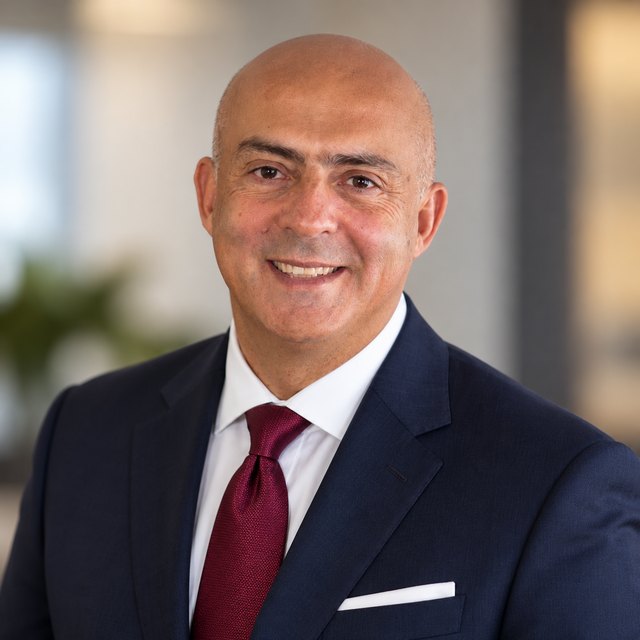
Jose Salloum is a Financial Security Advisor (conseiller en sécurité financière) certified by the Autorité des marchés financiers in Quebec, a Life and Accident & Sickness Insurance Agent licensed by the Financial Services Regulatory Authority of Ontario, and a Life Insurance Agent licensed by the Insurance Council of British Columbia. Licensed since 2001.
He has practised Infinite Banking since 2015 and founded Canadian Wealth Creation Centre Inc. in 2016. From 2020 to 2024 he was an IBC (Infinite Banking Concepts™) Authorized Practitioner of the Nelson Nash Institute, a private certification rather than a regulatory licence.
IBC Financial is the educational website of Canadian Wealth Creation Centre Inc., open to all Canadians. Services come only from Canadian Wealth Creation Centre Inc., in Quebec, Ontario, Alberta, British Columbia, Manitoba and New Brunswick. This page is general education and not advice on any individual file.
Last reviewed 2026-09-28. By Jose Salloum, Financial Security Advisor.